If your employees drive their personal vehicles for work, you have a grey fleet. And whether you're managing five drivers or five hundred, those vehicles come with responsibilities worth paying attention to.
Who checks that employees have valid licenses? Are they carrying the right insurance? What happens if someone gets into an accident while driving for work?
These were some of the questions discussed at Fleet Forward Conference 2026, where experts from Cardata, SambaSafety, and NCR Atleos came together to talk about grey fleet safety, liability, and risk management.
The panel featured:
- Alan Wisniewski, Director of Fleet and Partnerships at Cardata
- John Barbagallo, Strategic Advisor at SambaSafety
- Jose Rocha, Fleet Commodity Manager at NCR Atleos
- Rob Minton, Moderator and automotive industry consultant
Here are six takeaways from the discussion, along with practical considerations for employers managing employees who drive their own vehicles for work.
What Is Grey Fleet Risk Management?
Grey fleet refers to employee-owned vehicles used for business purposes.
These employees might receive a taxable car allowance, or reimbursement through a Cents-Per-Mile (CPM) or Fixed and Variable Rate (FAVR) program.
Grey fleet risk management is the process of identifying, monitoring, and reducing the safety, insurance, and liability risks associated with employees who are using personal vehicles for work.
It typically involves verifying driver's licenses and insurance coverage, monitoring driving records, establishing vehicle policies, providing safety training, and maintaining accurate records of business travel.
The goal is to make sure employees driving personal vehicles meet appropriate safety and compliance standards, just as employees driving company-owned vehicles do.
1. Grey Fleet Drivers Need to Be Part of Your Safety Program
One of the biggest themes discussed during the panel was the importance of managing safety across an organization's entire driving population.
Companies with traditional fleets often have established processes for checking licenses, monitoring driver behavior, and providing safety training.
But what happens when employees drive their own vehicles?
It's easy for those responsibilities to become less clearly defined, particularly when different departments manage company vehicles and employee reimbursements.
As Alan Wisniewski explained during the panel, responsibility for grey fleet safety is shared between employers and employees.
Employers establish the policies and requirements, while employees are responsible for meeting those expectations.
That means employers should have a clear understanding of:
- Who is driving a personal vehicle for business purposes
- Whether those employees meet insurance and licensing requirements
- How driver safety is monitored and addressed
- What employees should do if they're involved in an accident
The panel also discussed how fleet managers are increasingly taking a broader role in overseeing both company-owned vehicles and reimbursement programs.
This makes sense. Whether an employee drives a company car or their own vehicle, their driving can still create risks for the business.
(highlight)
The takeaway: Start by identifying your entire driving population. From there, establish consistent safety expectations that apply to everyone driving for work.
(highlight)
2. Annual MVR Checks May Leave Important Gaps
How often does your company review employee driving records?
For some organizations, the answer is once a year, typically during onboarding or an annual compliance review.
The challenge is that a driver's record can change at any point during those twelve months.
During the panel, Alan shared a straightforward example: an employee passes an annual motor vehicle record (MVR) check on January 1, then receives a serious driving violation the following day.
Without another check, the employer might remain unaware of that violation for months.
This is where continuous MVR monitoring becomes valuable.
Rather than relying exclusively on periodic checks, continuous monitoring helps employers identify reportable changes to driving records sooner, depending on the jurisdiction and monitoring service.
John Barbagallo also discussed the importance of connecting monitoring with driver training.
Identifying a problem is useful, but employers also need a process for responding to it.
That might involve additional training, reviewing an employee's driving eligibility, or taking other action under the company's safety policy.
According to findings shared by SambaSafety during the panel, companies combining continuous monitoring with follow-up training saw a 70% reduction in violations within six months and a 21% reduction in accidents involving injuries.
These figures were presented as findings from SambaSafety's own effectiveness research, rather than industry-wide results.
(highlight)
The takeaway: Review how often you're checking driving records and what happens when a potential issue is identified. Monitoring and follow-up training should work together.
(highlight)
3. Personal Vehicles Can Still Create Liability for Employers
One question came up repeatedly throughout the discussion: Who is responsible if an employee gets into an accident while driving their personal vehicle for work?
The answer depends on the circumstances, including whether the employee was acting within the scope of their employment, applicable state laws, and the insurance policies involved.
An employee's personal vehicle ownership doesn't automatically eliminate potential employer liability.
Under the legal principle of respondeat superior, employers may be held responsible for certain actions employees take within the scope of their employment.
The Legal Information Institute at Cornell Law School explains how this principle can apply to employee conduct.
During the panel, John highlighted two areas employers should pay particular attention to.
- Before an accident: Does the company know whether a driver has a suspended license, serious violation, or another issue that could affect their eligibility to drive?
- After an accident: Does the employee know how to report the incident, who to contact, and what information needs to be documented?
These questions are particularly important for grey fleets, where employers may have less direct visibility into the vehicles and how they're being used.
A clear accident reporting process can help employees respond appropriately and give employers the information they need to investigate an incident.
(highlight)
The takeaway: Make sure your grey fleet policy covers both driver eligibility and accident reporting. Employers should also review their insurance arrangements with qualified advisors to understand potential coverage gaps.
(highlight)
4. Driver Privacy Needs to Be Built Into Your Grey Fleet Program
Tracking business mileage is an important part of managing vehicle reimbursement.
But when employees use their personal vehicles, privacy becomes a consideration.
During the panel, John emphasized that employers need to be transparent about the information they collect, why they're collecting it, and how they intend to use it.
Employees may understandably have questions about whether their employer can see where they travel outside working hours.
That's why it's important to choose mileage tracking technology that gives employees appropriate control over their personal information.
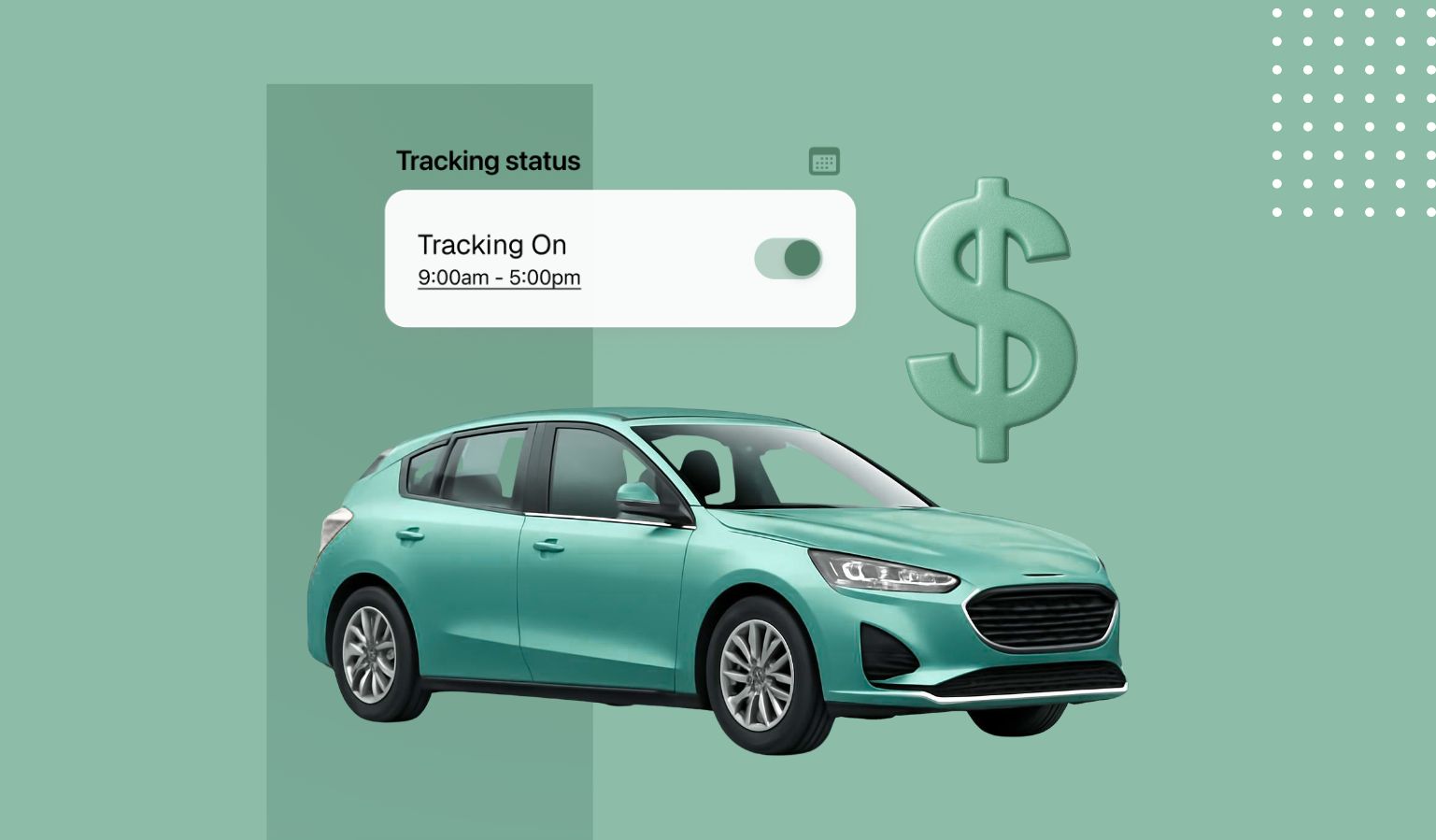
For example, Cardata Mobile gives drivers several options for recording business mileage.
Employees can establish schedules for automatic trip tracking, manually start and stop trips, or enter trips using their starting and ending addresses.
This flexibility helps employees record business mileage while maintaining separation between work and personal travel.
It's also important to understand the difference between mileage tracking and vehicle telematics.
Mileage tracking primarily records trips for reimbursement purposes.
Telematics systems may collect additional information, such as speeding, harsh braking, and other driving behaviors.
These technologies serve different purposes and can work alongside one another.
(highlight)
The takeaway: Be upfront about what your mileage tracking system collects and give employees clear information about how their data is used. Privacy considerations should be part of your program design from the beginning.
(highlight)
5. Not Every Employee Needs a Company-Owned Vehicle
Another interesting part of the discussion focused on choosing the right vehicle program for different employee roles.
For some employees, a company-owned vehicle is essential.
Think of a field technician who needs a specialized van with equipment, tools, or storage.
For others, a personal vehicle reimbursement program may be a practical alternative.
Alan explained that employees driving standard passenger vehicles for business purposes are often good candidates for reimbursement programs, depending on their mileage and job requirements.
Jose Rocha shared how NCR Atleos approaches this decision.
The company operates a fleet of vehicles used by technicians servicing ATMs. Employees handling larger repairs need specialized vehicles, while certain employees performing smaller repairs can use their personal vehicles.
NCR Atleos introduced a grey fleet reimbursement program for those roles, with Jose explaining that the approach made onboarding and offboarding drivers easier and reduced the need to purchase and relocate additional company vehicles.
The discussion also highlighted the potential cost advantages of reimbursement programs.
For suitable roles, reimbursement can reduce some of the expenses associated with acquiring, maintaining, and managing company-owned vehicles.
However, choosing the right approach requires looking at each employee's driving requirements.
Factors such as annual business mileage, location, vehicle needs, and job responsibilities should all influence the decision.
Some organizations may benefit from a mixed fleet strategy, where certain employees use company-owned vehicles and others participate in reimbursement programs.
(highlight)
The takeaway: Evaluate vehicle needs by role. A combination of company vehicles and personal vehicle reimbursement may offer greater flexibility than using the same approach for every employee.
(highlight)
6. Your Reimbursement Policy Can Help Support Compliance
One of the final themes from the panel was how reimbursement policies can help employers maintain clear expectations around employee vehicles.
A well-designed reimbursement program can establish requirements for vehicle eligibility, insurance coverage, mileage reporting, and documentation.
For employers using a Fixed and Variable Rate (FAVR) reimbursement program, certain requirements also affect whether reimbursements qualify for favorable tax treatment.
The IRS provides specific rules for FAVR allowances, including requirements related to vehicle costs, business mileage, and substantiation.
During the panel, Alan explained how employers can use their reimbursement policies to communicate expectations around vehicle age, insurance, and mileage.
It's important to distinguish between employer-established vehicle policies and the requirements set by the IRS. Not every company policy automatically determines whether a reimbursement is taxable.
The panel also discussed how technology can make compliance easier to manage.
For example, reimbursement platforms can help administrators track insurance documentation, identify missing information, and review mileage submissions.
For example, through Cardata’s partnership with SambaSafety, organizations can also access continuous MVR monitoring and driver safety training.
(highlight)
The takeaway: Treat your reimbursement policy as part of your broader vehicle management strategy. Clear requirements, consistent communication, and appropriate technology can make compliance easier for everyone involved.
(highlight)
What Does an Effective Grey Fleet Risk Management Program Look Like?
Throughout the discussion, the panelists returned to a similar conclusion: managing grey fleet risk requires a consistent approach to employees, vehicles, and safety.
For employers reviewing their existing programs, a useful starting point is to ask:
- Do we know which employees use personal vehicles for work?
- Have we established clear vehicle, insurance, and licensing requirements?
- Are we monitoring driver eligibility and providing appropriate training?
- Do employees understand how business mileage is tracked and how their privacy is protected?
- Do we have a clear process for reporting accidents and addressing compliance issues?
- Are employees using the vehicle program that makes the most sense for their role?
These questions can help identify areas where a grey fleet program may need additional attention.
The panel also made it clear that technology plays an important supporting role.
Mileage tracking, insurance verification, driver monitoring, and reporting tools can help employers manage programs more consistently as their driving populations grow.
Ultimately, the right approach will depend on the size of your workforce, the types of vehicles employees drive, and the risks associated with their work.
Make Grey Fleet Management Easier With Cardata
Managing employees who drive personal vehicles for work comes with a lot of moving parts.
Cardata helps companies bring mileage reimbursement, compliance, and driver safety together in one managed program.
Whether you're reviewing an existing grey fleet or exploring alternatives to company-owned vehicles, connect with our team to see how we can help.
Talk to Cardata