Fixed and Variable Rate (FAVR)
FAVR is a fully managed program that delivers fair, 100% tax-free reimbursements based on real driving costs, built for high-mileage drivers.

A Smarter Way to Reimburse High-Mileage Drivers
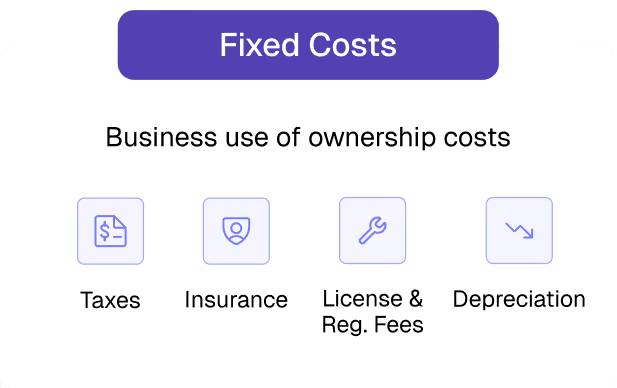
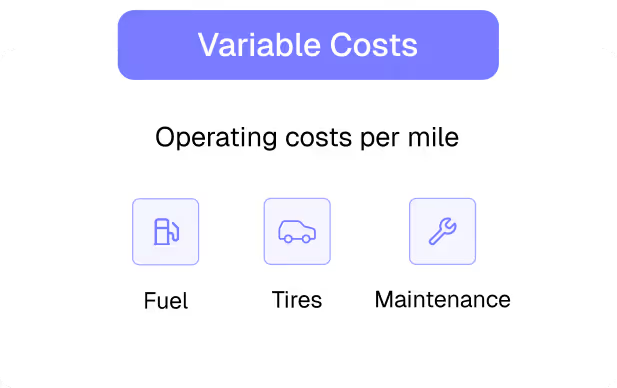
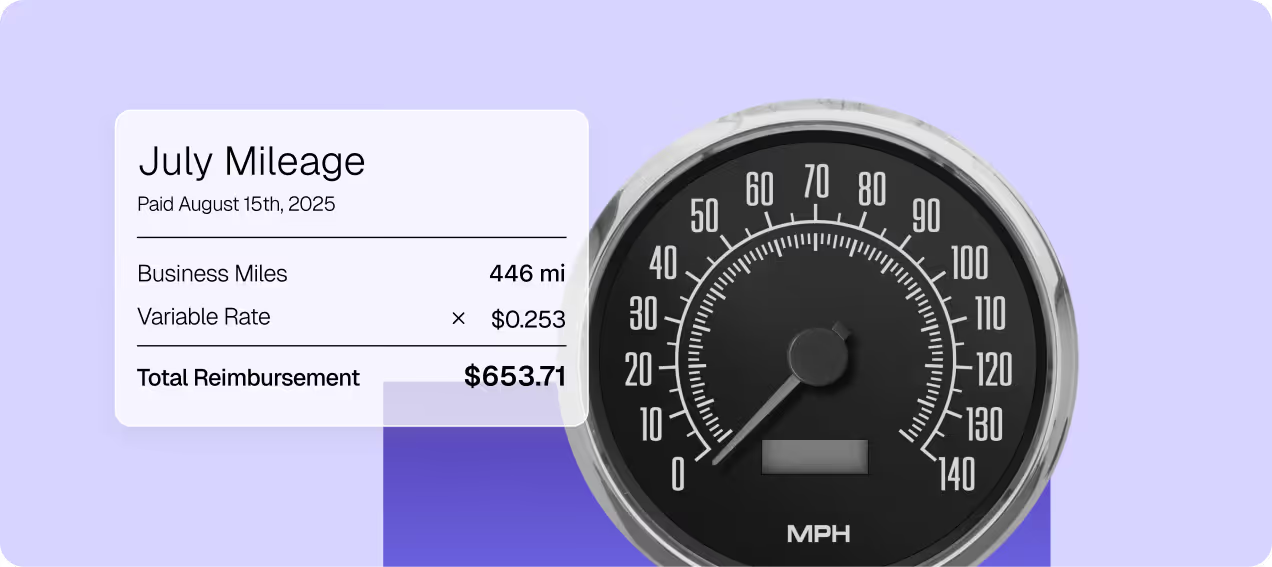
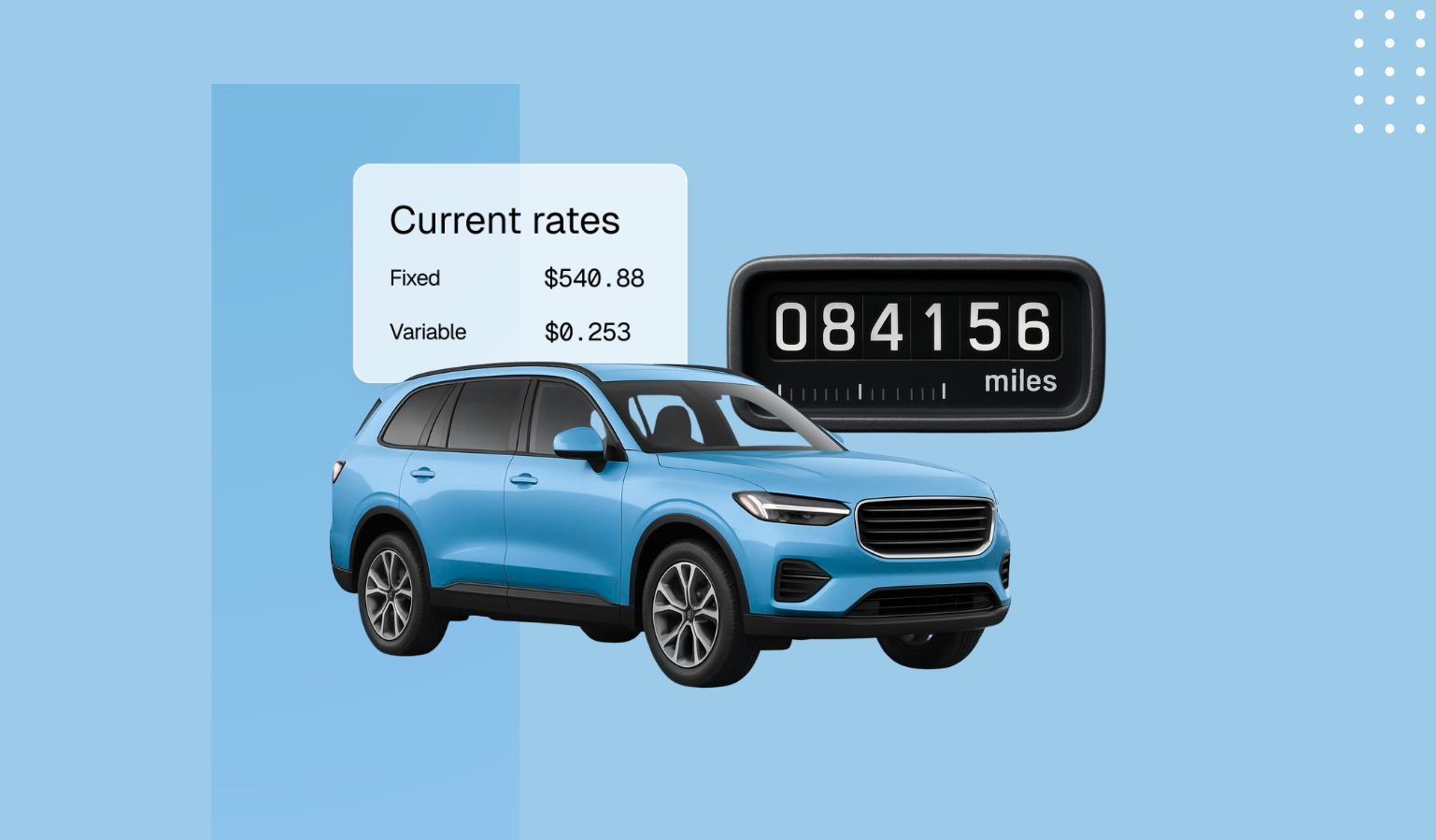
We design and manage your FAVR program end-to-end using IRS-approved methodology and real, location-specific cost data. Each driver’s reimbursement combines a fixed monthly amount with a variable per-mile rate, aligned to the true cost of driving in their ZIP code.

Why Organizations Choose Cardata for FAVR
FAVR is powerful when it’s designed and managed correctly.

100% Tax-Free, Fully Managed
When a FAVR program is set up and run the right way, reimbursements are completely tax-free. Cardata manages the details that keep it that way: vehicle eligibility, mileage requirements, insurance checks, and proper documentation.

Role-Based Program Design
Your reimbursement should match the job. Cardata builds vehicle profiles based on the work drivers actually do, not personal preference or generic averages. This keeps payments fair and aligned with job requirements while still giving drivers flexibility.

Location-Based Fairness
Driving costs vary by location. Insurance, fuel, depreciation, and maintenance can all change by ZIP code. Cardata uses local data to match reimbursements with real driving costs, so payments stay fair based on where drivers actually live.
Built-In Cost Control
Flat car allowances are often fully taxed and can overpay drivers in lower-cost areas. This means employees may lose up to 30% to taxes. FAVR ties reimbursements to real costs and job needs, helping companies reduce waste and keep budgets predictable.
Talk to a FAVR Expert
Technology That Powers Your FAVR Program
FAVR works best when the right systems are in place.
Cardata combines hands-on program support with purpose-built technology to make administration easier and help keep everything compliant.
Track
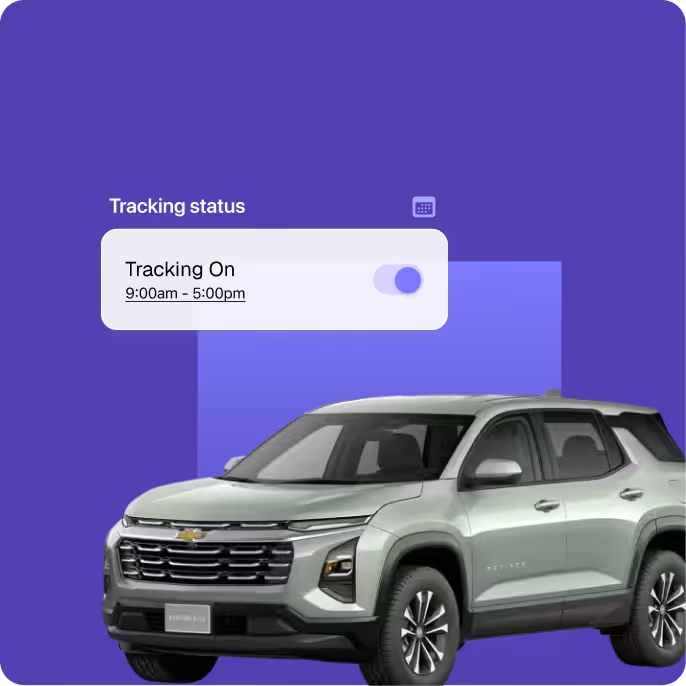
Drivers capture business mileage automatically through Cardata Mobile, with real-time visibility into trips, reimbursement totals, and compliance status.

Safeguard
Insurance verification, vehicle eligibility, mileage thresholds, and documentation standards are actively monitored to protect the tax-free status of your program.

Approve
Administrators manage oversight with dashboards, reporting tools, and clear approval workflows that provide full visibility into reimbursement activity across the workforce.
Pay
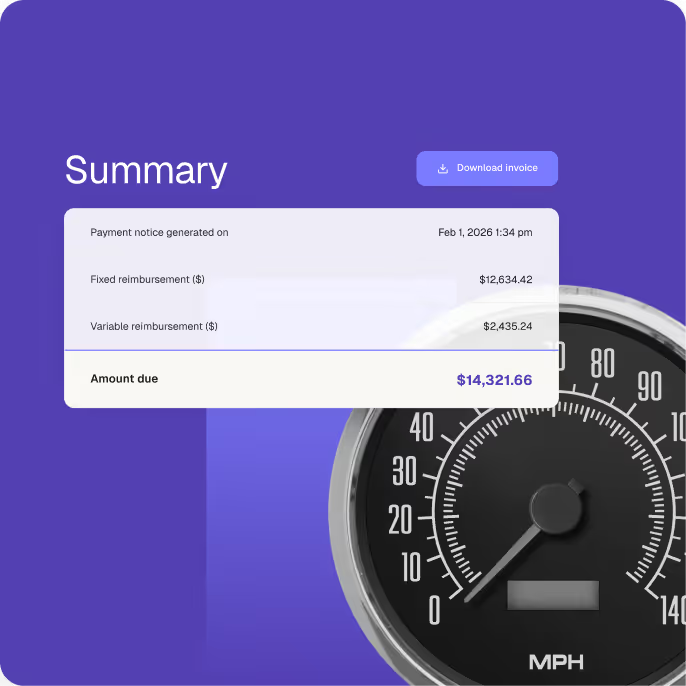
Reimbursements can be issued through secure direct-to-driver payments, separated from payroll to preserve tax treatment and reduce administrative burden.

Integrate
Cardata fits into your existing finance and HR workflows, delivering audit-ready reporting and clean data that supports budgeting, forecasting, and long-term program optimization.
Drivers capture business mileage automatically through Cardata Mobile, with real-time visibility into trips, reimbursement totals, and compliance status.
Insurance verification, vehicle eligibility, mileage thresholds, and documentation standards are actively monitored to protect the tax-free status of your program.
Administrators manage oversight with dashboards, reporting tools, and clear approval workflows that provide full visibility into reimbursement activity across the workforce.
Reimbursements can be issued through secure direct-to-driver payments, separated from payroll to preserve tax treatment and reduce administrative burden.
Cardata fits into your existing finance and HR workflows, delivering audit-ready reporting and clean data that supports budgeting, forecasting, and long-term program optimization.






What Makes Cardata Different
FAVR rules are set by the IRS. But how your program is built and supported is not.



Considering FAVR for Your Team?
See how a fully managed, IRS-compliant FAVR program can lower costs, keep reimbursements accurate, and pay employees fairly based on what it actually costs to drive where they live.
Explore more
.avif)
.jpg)
FAQs
How does FAVR compare to a car allowance?
Can FAVR reduce company costs?
Is FAVR more cost-efficient than a company fleet?
When is FAVR better than Cents-Per-Mile (CPM)?
When is FAVR better than a Tax-Free Car Allowance (TFCA)?
