.avif)
For sales representatives, a vehicle is more than just transportation. It's often a mobile office, a workspace between appointments, and one of the first things customers notice during in-person meetings.
Because of that, deciding whether to lease or buy a vehicle is an important business decision.
Leasing has become a popular option for many sales professionals because it can lower upfront costs, provide access to newer vehicles, and reduce some of the headaches that come with vehicle ownership.
That said, leasing isn't the right fit for everyone. Before signing a lease agreement, it's important to understand both the advantages and disadvantages, and how your reimbursement strategy fits into the bigger picture.
What Is Business Car Leasing?
Business car leasing allows an individual or company to use a vehicle for a set period in exchange for monthly payments. Instead of purchasing the vehicle outright, you're paying for the use of the vehicle during the lease term.
When the lease ends, drivers typically have several options. They can return the vehicle, lease a newer model, or purchase the vehicle at its residual value.
For sales representatives who spend a significant amount of time on the road, leasing can provide access to reliable transportation without the long-term financial commitment of ownership.
Benefits of Leasing a Business Vehicle for Sales Representatives
1. Lower Monthly Payments and Reduced Upfront Costs
One of the biggest advantages of leasing is affordability.
Leasing generally requires a smaller down payment and lower monthly payments than financing a vehicle purchase. This can help preserve cash flow and free up budget for other business expenses.
For independent sales professionals and organizations managing multiple field employees, lower vehicle costs can provide valuable financial flexibility.
Instead of tying up capital in a depreciating asset, businesses can invest resources elsewhere while still ensuring employees have access to reliable transportation.
2. Access to Newer Vehicles
Sales representatives often spend more time behind the wheel than the average employee. Leasing makes it easier to regularly upgrade to newer vehicles that offer improved safety, fuel efficiency, and technology.
Features like adaptive cruise control, lane departure warnings, advanced navigation systems, and smartphone integration can make long days on the road safer and more productive.
Because lease terms are typically shorter than ownership cycles, drivers can consistently access newer vehicles without worrying about selling or trading in an aging vehicle.
3. A More Professional Image
First impressions matter.
Arriving at a client meeting in a newer, well-maintained vehicle can help reinforce a professional image. While a vehicle won't close a deal on its own, it can contribute to how customers perceive both the sales representative and the company they represent.
Leasing makes it easier to drive newer vehicles consistently while avoiding many of the concerns associated with long-term ownership.
4. Lower Maintenance Costs
Many leased vehicles remain under manufacturer warranty for most or all of the lease term.
This can significantly reduce unexpected repair costs and help minimize downtime. Instead of worrying about major mechanical issues, drivers can focus on serving customers and growing business relationships.
Many lease agreements also encourage regular maintenance schedules, helping keep vehicles operating safely and efficiently throughout the lease period.
5. Tax Benefits and FAVR Reimbursement Opportunities
Leasing can also work well alongside certain vehicle reimbursement programs.
For businesses whose sales representatives drive personal leased vehicles for work, a Fixed and Variable Rate (FAVR) reimbursement program may provide a more accurate and tax-efficient way to reimburse business driving.
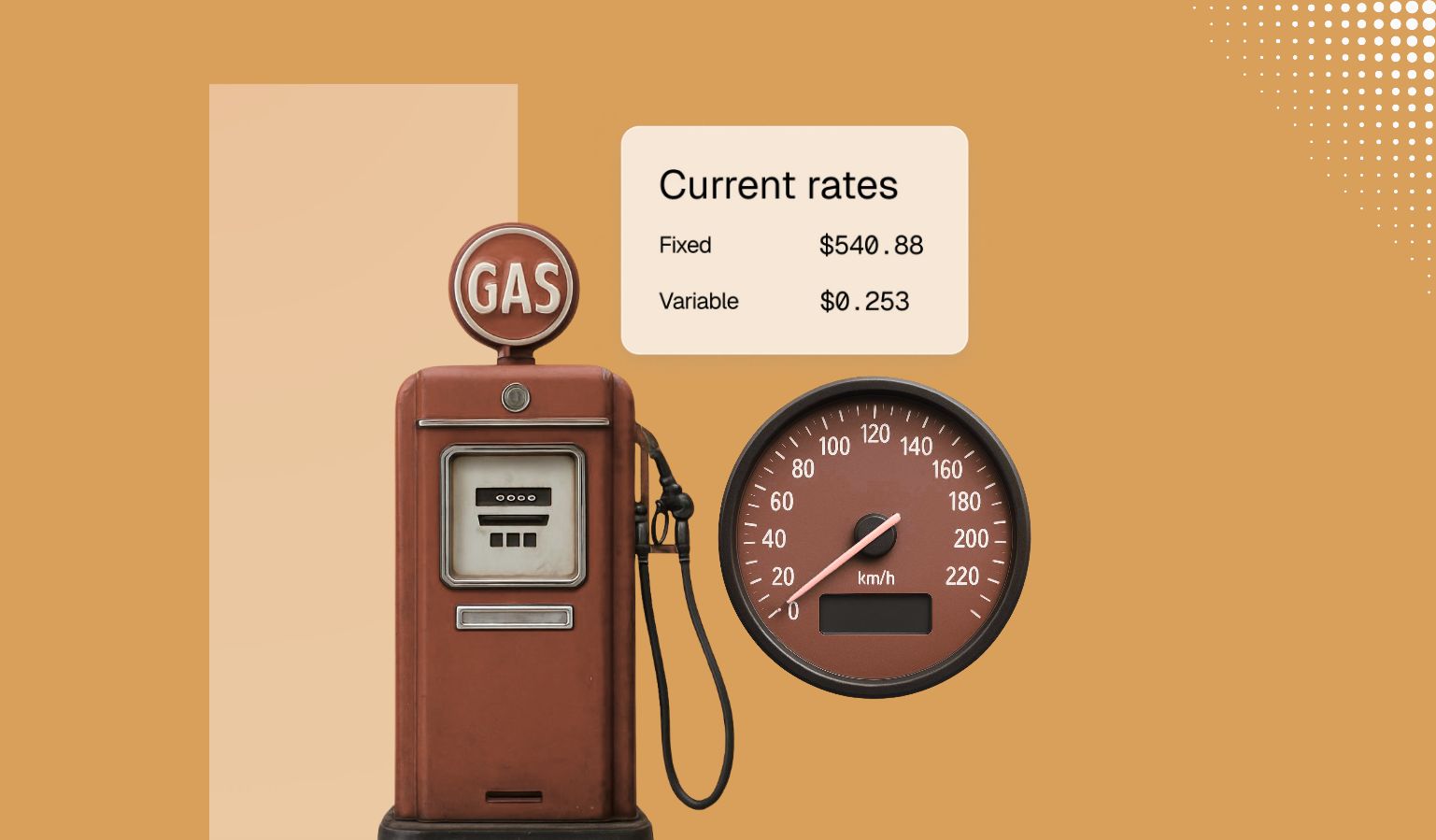
FAVR is an IRS-approved reimbursement method that combines fixed vehicle ownership costs, such as insurance and depreciation, with variable costs like fuel and maintenance.
Because leased vehicles have predictable ownership costs, they can often fit well within a FAVR program. Instead of providing a one-size-fits-all car allowance, employers can reimburse drivers based on actual business use and localized driving costs.
For organizations with mobile sales teams, this approach can improve fairness, support compliance, and help ensure employees are reimbursed more accurately for the cost of driving for work.
6. Flexibility as Business Needs Change
Business needs rarely stay the same forever.
Leasing allows sales representatives to transition into different vehicle types more easily than ownership. A growing territory, changing product line, or evolving customer base may require different vehicle capabilities over time.
When the lease ends, drivers can adapt to changing circumstances without first needing to sell an existing vehicle.
7. Access to Higher-End Vehicles
Because lease payments are often lower than loan payments, leasing can make premium vehicles more accessible.
This can allow sales representatives to drive vehicles equipped with enhanced safety systems, advanced technology, and comfort features that might otherwise be outside their budget.
For professionals who spend much of their workday on the road, these upgrades can contribute to a better driving experience and improved productivity.
8. Easier Access to Fuel-Efficient and Electric Vehicles
Leasing can also provide a practical path to newer hybrid and electric vehicles.
Drivers may benefit from lower fuel costs, reduced environmental impact, and access to available incentives such as rebates or tax credits, depending on local regulations and vehicle eligibility.
Because electric vehicle technology continues to evolve rapidly, leasing can allow drivers to adopt newer models more frequently without committing to long-term ownership.
9. Protection From Depreciation
Vehicle depreciation is one of the largest costs associated with ownership.
When purchasing a vehicle, owners absorb the loss in value that occurs over time. Leasing removes much of that risk because the leasing company retains ownership of the vehicle.
This allows businesses and sales professionals to focus on predictable transportation costs without worrying about future resale values.
10. Flexible End-of-Lease Options
At the end of the lease term, drivers typically have multiple options available.
They can purchase the vehicle, upgrade to a newer model, or simply return it and move on to another solution.
This flexibility allows businesses to adapt their vehicle strategy as budgets, employee needs, and operational priorities evolve.
Can You Use a Leased Vehicle in a FAVR Program?
Yes. In many cases, leased vehicles can participate in a FAVR reimbursement program.
This is often an overlooked advantage of leasing. While organizations frequently focus on the vehicle itself, the reimbursement strategy can have just as much impact on overall program costs and employee satisfaction.
Under a FAVR program, employees are reimbursed for both fixed and variable expenses.
Leased vehicles can participate when they meet the applicable FAVR vehicle requirements, including requirements related to the standard vehicle, vehicle value, model year, and other program criteria.
For sales representatives who drive significant business mileage, pairing a leased vehicle with a FAVR program can provide a balance of flexibility, predictable vehicle costs, and tax-free reimbursement.
The result is often a more accurate reimbursement experience than a traditional car allowance, which pays the same amount regardless of how much an employee drives or what it actually costs to operate their vehicle.
Disadvantages of Leasing a Business Vehicle
While leasing offers several benefits, it isn't always the right fit.
1. No Ownership or Equity
One of the biggest drawbacks of leasing is that lease payments do not build ownership.
At the end of the lease term, the vehicle belongs to the leasing company unless you choose to purchase it. Businesses looking to build long-term assets may find ownership more attractive.
2. Mileage Limits and Penalties
Many lease agreements include annual mileage restrictions.
Sales representatives often drive significantly more than the average employee, making mileage limits an important consideration. Exceeding those limits can result in additional charges that accumulate quickly over time.
Before leasing, it's important to compare expected annual business mileage against lease restrictions.
3. Limited Customization Options
Most lease agreements prohibit significant modifications to the vehicle.
This can be a challenge for businesses that want custom branding, equipment installations, or specialized modifications that support day-to-day operations.
4. Potentially Higher Long-Term Costs
While leasing can reduce monthly costs, repeatedly leasing vehicles over many years may ultimately cost more than purchasing and retaining vehicles long term.
Businesses should evaluate total lifecycle costs rather than focusing exclusively on monthly payments.
5. Insurance and Maintenance Requirements
Leased vehicles often require higher insurance coverage levels than owned vehicles.
Drivers are also expected to maintain the vehicle according to lease requirements. Failure to do so may result in additional fees when the vehicle is returned.
6. Early Termination Fees
Business circumstances can change unexpectedly.
Unfortunately, ending a lease before the agreed-upon term often results in significant penalties. This can reduce flexibility if territories change, staffing levels shift, or transportation needs evolve.
7. Wear and Tear Charges
Normal vehicle use is expected. Excessive wear and tear is not.
Damage beyond what the leasing company considers reasonable can lead to additional charges when the vehicle is returned.
For sales representatives who spend extensive time on the road, understanding these standards before signing a lease is important.
8. Complex Lease Agreements
Lease contracts can contain mileage provisions, maintenance requirements, end-of-term conditions, fees, and penalties that are not always obvious at first glance.
Reviewing the agreement carefully before signing can help avoid unexpected costs later.
Is Leasing the Right Choice for Sales Representatives?
The answer depends on how the vehicle will be used.
For sales professionals who value predictable monthly costs, access to newer vehicles, lower maintenance expenses, and flexibility at the end of a vehicle cycle, leasing can be an attractive option.
For drivers who log significant annual mileage, want to customize their vehicle, or prefer building long-term ownership value, purchasing may be the better choice.
The right decision comes down to balancing driving habits, financial priorities, business requirements, and long-term goals.
The Bottom Line
Business car leasing can be an effective option for sales representatives who want lower upfront costs, access to newer vehicles, predictable monthly expenses, and the flexibility to upgrade regularly.
However, the vehicle itself is only one piece of the equation. Organizations should also consider how drivers will be reimbursed for business use. A reimbursement strategy that reflects real driving costs can have a significant impact on employee satisfaction, program fairness, and overall cost control.
For many sales organizations, combining leased vehicles with an IRS-compliant reimbursement program such as FAVR can help create a more balanced approach.
Employees gain access to reliable transportation while employers benefit from a reimbursement model that is accurate, compliant, and aligned with actual business driving expenses.
Before deciding whether to lease or buy, consider both the vehicle strategy and the reimbursement strategy. The strongest programs evaluate both together.
If you're evaluating vehicle programs for a sales team, Cardata can help. Our experts work with organizations to design and manage tax-free mielage reimbursement programs that align with driver needs, business goals, and compliance requirements. Contact Cardata to explore whether a FAVR program, Tax-Free Car Allowance, or another reimbursement model is the right fit for your organization.
Talk to Cardata