HR teams already juggle enough.
Between payroll, recruiting, employee relations, compliance, and retention, there’s very little room for administrative processes that create more work without adding much value. That’s exactly why vehicle reimbursement programs have become a growing pain point for many HR leaders.
On paper, reimbursing employees for business driving sounds simple. In reality, managing mileage logs, validating insurance, adjusting payroll, and keeping up with IRS requirements can turn into a time-consuming process that pulls HR away from its core responsibilities.
For organizations with mobile employees, outsourcing vehicle reimbursement programs is becoming less of a convenience and more of a strategic decision.
Here’s why more HR leaders are making the switch.
1. Outsourcing Reduces Administrative Burden for HR Teams
Many in-house reimbursement programs rely on manual processes.
Employees track their mileage, submit logs, and wait for reimbursement approvals. HR teams then have to review submissions, calculate reimbursements, adjust payroll, and maintain documentation that aligns with IRS rules.
That workload adds up quickly, especially when reimbursements happen every month across dozens or hundreds of employees.
For HR leaders, the challenge isn’t just the time spent processing reimbursements. It’s the constant coordination required to keep the program running smoothly. Missing mileage logs, incomplete trip records, and inconsistent submissions can create delays, employee frustration, and additional follow-up work.
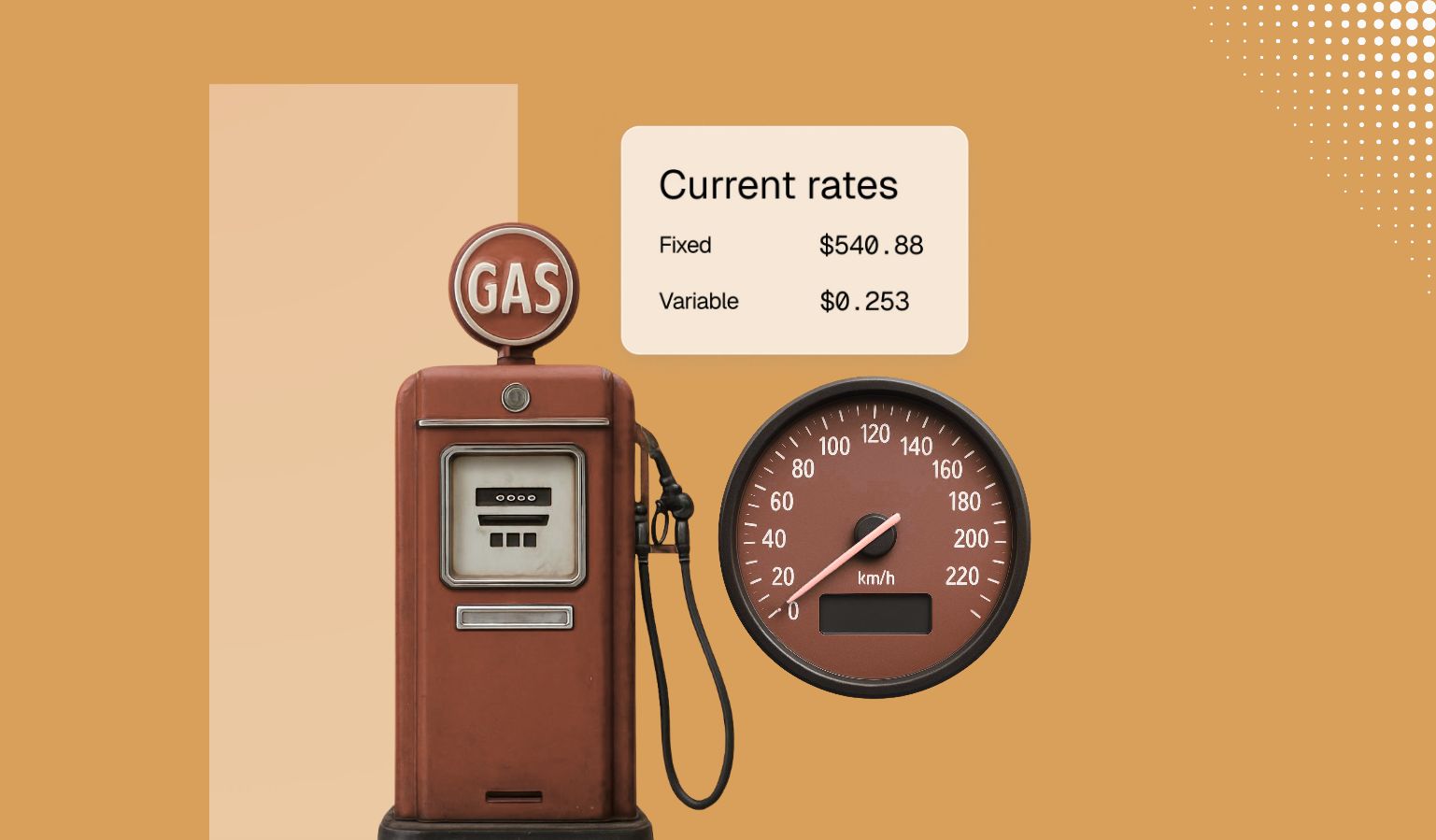
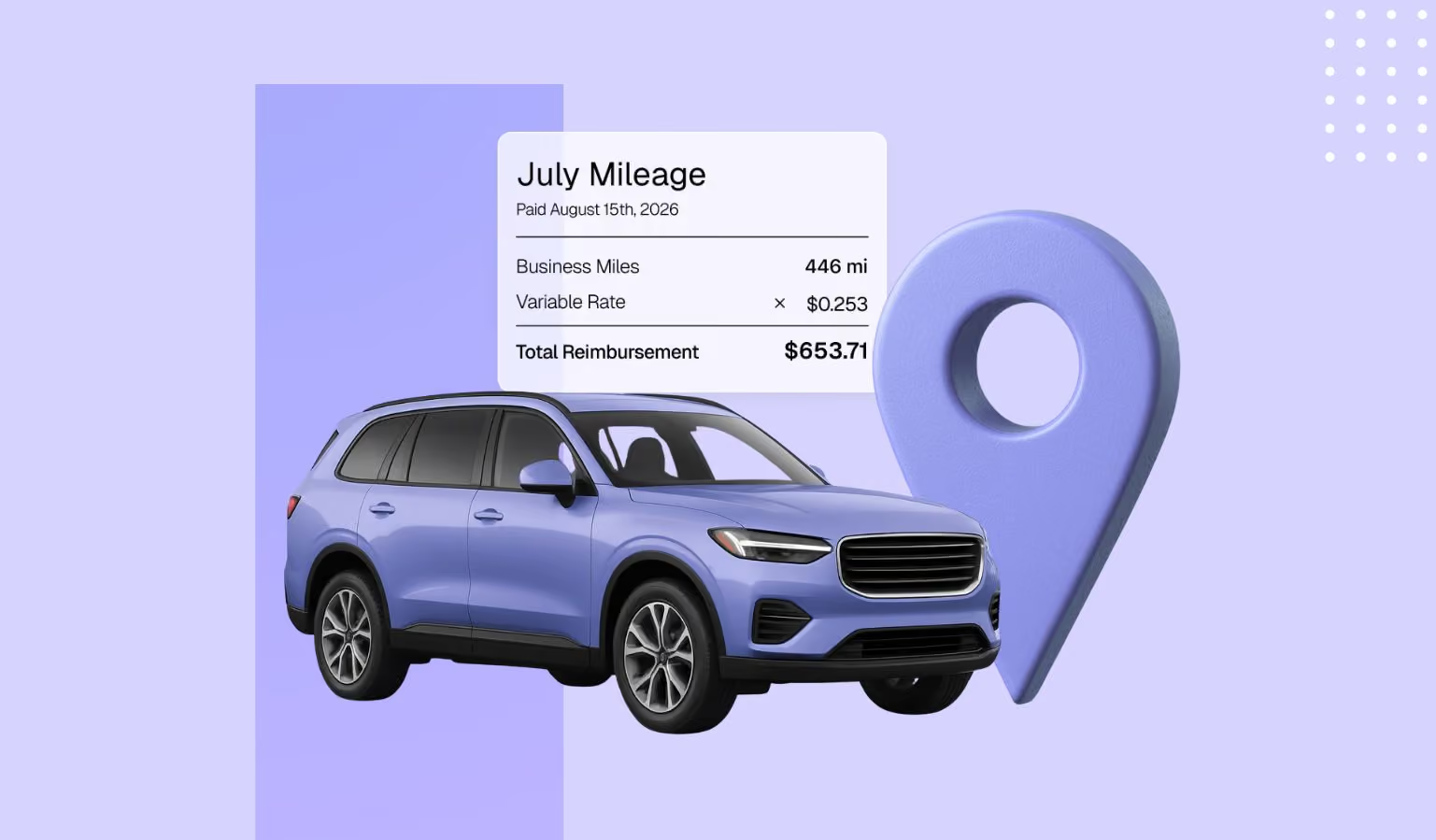
Outsourced vehicle reimbursement programs like Fixed and Variable Rate (FAVR) reimbursement programs, Tax-Free Car Allowance (TFCA) programs, and Cents-per-Mile (CPM) programs remove much of that operational burden.
Instead of relying on spreadsheets and manual tracking, reimbursement software automates mileage capture, reporting, and reimbursement calculations. Employees can log trips through a mobile app, while administrators gain centralized visibility into reimbursement activity and compliance status.
That means HR teams spend less time chasing paperwork and more time focusing on people, culture, and employee support.
2. HR Leaders Gain Better Compliance Support
Vehicle reimbursement programs come with compliance requirements that are easy to underestimate.
The IRS requires accurate mileage documentation, business purpose records, and accountable reimbursement practices for reimbursements to remain tax-free. Insurance verification also becomes part of the process when employees drive personal vehicles for work.
Managing all of that internally can create risk.
Many HR departments are not built to continuously monitor reimbursement compliance, interpret IRS guidance, or review insurance documents from hundreds of different carriers and policy formats.
Yet if documentation is incomplete or reimbursements are mishandled, the company can face unnecessary tax exposure and audit risk.
Outsourcing helps reduce that pressure.
A managed reimbursement provider can handle mileage documentation requirements, insurance verification, and ongoing compliance monitoring as part of the program administration process.
That creates a more structured and defensible system while reducing the amount of specialized compliance knowledge HR teams need to maintain internally.
Compliance failures can create significant financial and operational risk, which is why for HR leaders, confidence matters. Outsourcing can provide clearer processes, better documentation, and more consistent oversight.
3. Employees Receive Fairer Reimbursements
One of the biggest problems with traditional reimbursement programs is fairness.
Employees do not all experience the same driving costs. Fuel prices, insurance premiums, maintenance expenses, and depreciation vary significantly depending on where employees live and how much they drive.
Yet many organizations still rely on flat car allowances or uniform mileage reimbursement approaches that treat every employee the same regardless of actual costs.
That can create frustration.
A driver covering a dense urban territory may spend far more on fuel, insurance, and maintenance than a driver operating in a lower-cost region. Flat reimbursement structures can leave some employees under-reimbursed while others receive more than they actually spend.
HR leaders end up managing the fallout.
Outsourced reimbursement programs can use regional cost data and mileage-based reimbursement structures to create more accurate reimbursements tied to real driving expenses. That helps improve transparency and fairness across the workforce.
And fairness matters more than many companies realize.
Organizations increasingly view personalized reimbursement programs as part of the employee experience and talent retention strategy. Because reimbursement accuracy and employee morale are equally important as cost control.
4. Outsourcing Improves the Employee Experience
Manual reimbursement programs create friction for employees, too.
Drivers often have to track odometer readings, document trip purposes, submit spreadsheets, and wait for approvals before receiving reimbursement. For employees who drive regularly, that process becomes repetitive and frustrating.
Modern reimbursement platforms simplify the experience considerably.
Mileage tracking apps can automatically capture trips, classify mileage, and generate reimbursement records without requiring drivers to manually document every trip. Employees gain visibility into their payments, compliance status, and reimbursement history in one place.
That convenience can have a measurable impact.
According to Cardata’s Fleet Market Survey, outdated mileage tracking systems remain one of the biggest operational pain points for organizations with mobile employees. Manual processes contribute to administrative fatigue and reduce employee satisfaction.
For HR leaders focused on retention and employee engagement, reducing that friction matters.
5. Outsourcing Can Help Reduce Program Costs
Many companies assume outsourcing reimbursement administration will increase costs. But in practice, inefficient reimbursement structures often create way more waste than organizations realize.
Flat car allowances are typically taxable, which means both employers and employees lose money to payroll taxes. Manual processes also consume internal administrative time that could be spent elsewhere.
More accurate reimbursement programs can help organizations control those costs while improving reimbursement fairness.
Outsourcing also improves visibility into reimbursement spending. Instead of relying on disconnected spreadsheets and inconsistent reporting, HR and finance teams gain centralized reporting and program oversight.
That makes it easier to evaluate trends, identify inefficiencies, and support long-term planning.
6. HR Teams Can Refocus on Strategic Priorities
This is ultimately what matters most.
HR departments are responsible for some of the most people-centered functions in an organization. Recruiting, onboarding, retention, compensation, culture, and employee support already demand significant time and attention.
Vehicle reimbursement administration often pulls HR into operational work that feels disconnected from those larger priorities.
Outsourcing helps shift that workload elsewhere.
Instead of spending hours reviewing mileage logs or processing reimbursement adjustments, HR leaders can focus on initiatives that directly impact employees and organizational growth.
That operational relief becomes increasingly important as organizations grow their field teams or expand into multiple regions where reimbursement complexity increases.
The Bottom Line for HR Leaders
Managing vehicle reimbursement programs internally can create more administrative work, compliance risk, and employee frustration than many organizations expect.
For HR leaders, outsourcing offers a way to reduce operational burden while improving reimbursement accuracy, compliance oversight, and the employee experience.
The goal is not simply to hand off mileage tracking.
It’s to create a reimbursement program that is easier to manage, fairer for employees, and better aligned with the realities of a modern mobile workforce.
Cardata helps HR teams reduce admin work, improve compliance, and build fair, tax-free reimbursement programs for mobile employees. If you’re exploring outsourcing, our team can help you find the right fit.
Talk to Cardata