.avif)
If your employees use their personal vehicles for work, you already know mileage reimbursement can get messy fast. Gas prices go up and down constantly. Insurance keeps getting more expensive. Maintenance costs depend on where someone lives and how much they drive.
But despite all that, a lot of companies still use flat car allowances or standard mileage rates that pay every driver basically the same way.
That’s where FAVR comes in.
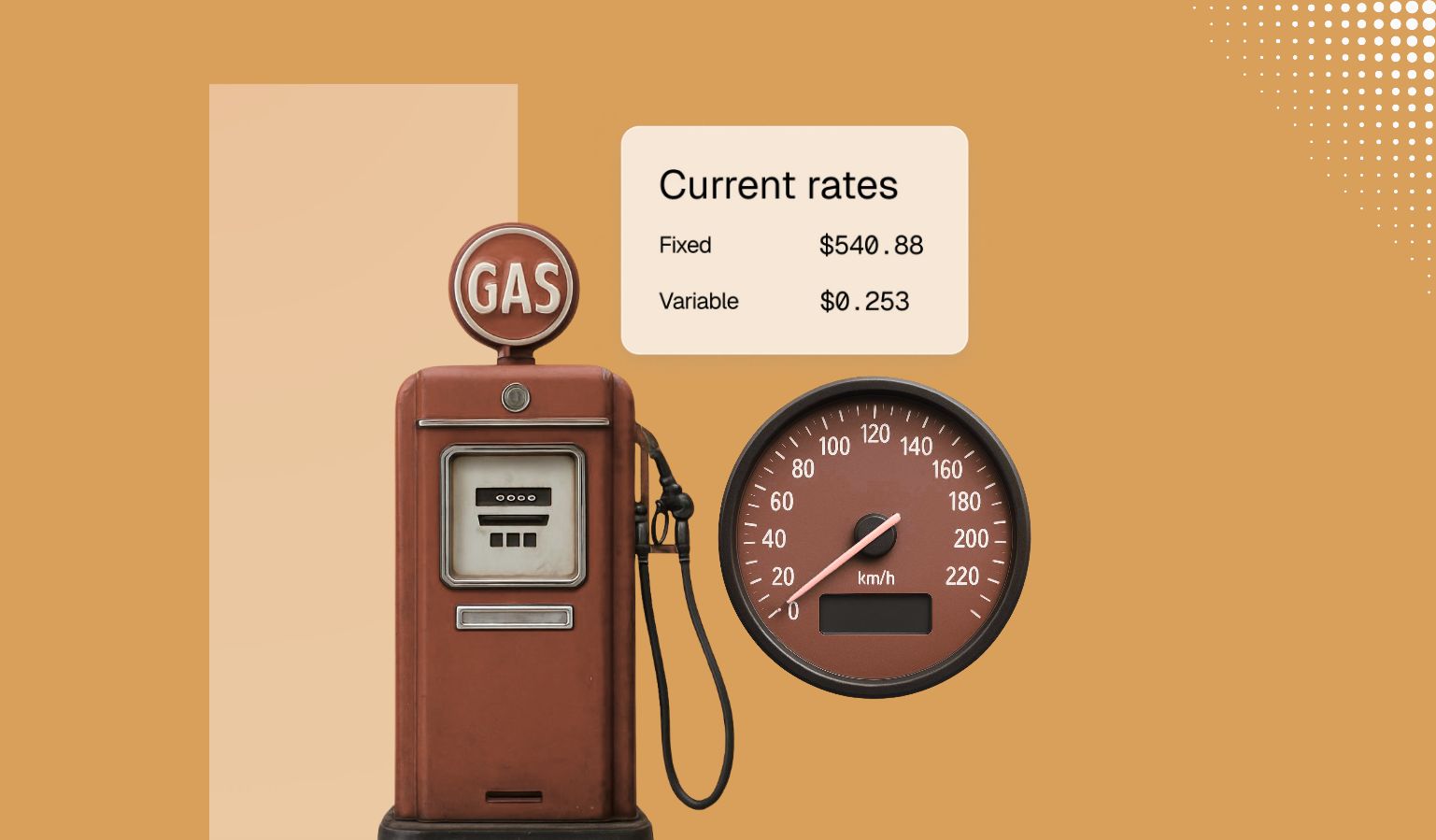
FAVR, short for Fixed and Variable Rate reimbursement, is a tax-free mileage reimbursement program that’s built to reimburse employees for the real, business-required cost of owning and operating a vehicle for work.
It combines fixed ownership costs, like insurance and depreciation, with variable expenses like fuel, maintenance, and tires. In other words, instead of using a one-size-fits-all reimbursement model, FAVR adjusts based on real driving costs, mileage, and location.
That means you’re not overpaying low-mileage drivers while high-mileage employees end up paying business expenses out of pocket. It creates a more balanced, accurate reimbursement program while also helping you cut down on tax waste and compliance headaches.
In this guide, we’re walking you through the seven biggest benefits of using FAVR for mileage reimbursement and why more companies are moving away from traditional car allowances and cents per mile programs.
1. FAVR Reduces Tax Waste
One of the biggest problems with traditional car allowances is how heavily they get taxed.
Most flat monthly allowances count as taxable income. So before that money even reaches your employees, a chunk of it disappears to payroll taxes, income taxes, and FICA contributions.
That adds up quickly.
Let’s say you’re giving employees a $700 monthly car allowance. If roughly 30% of that gets lost to taxes, your employee is only taking home about $490 to actually cover business driving expenses. The rest disappears to payroll taxes, income taxes, and FICA contributions before it even hits their bank account.
Now multiply that across dozens or hundreds of drivers, and suddenly your reimbursement program becomes a lot more expensive and a lot less effective than it looked on paper.
FAVR programs work differently.
FAVR reimbursements are generally tax-free for compliant drivers when administered under an IRS-compliant accountable plan.
Instead of being treated like extra wages, the payments are treated as legitimate business reimbursements.
That’s a win for everybody involved.
Your employees keep more of the money you’re paying them, and your company avoids unnecessary payroll tax expenses tied to taxable stipends.
If you manage a larger mobile workforce, those savings can become pretty substantial over time.
2. FAVR Creates More Accurate Reimbursements
Not every employee spends the same amount to drive for work.
That sounds obvious, but a lot of mileage reimbursement programs completely overlook this.
A flat car allowance pays everyone the same amount whether they drive 300 miles a month or 3,000. Even standard Cents-Per-Mile programs rely on national averages that don’t always reflect what driving actually costs in different regions.
FAVR fixes that by making reimbursements more personalized.
The program factors in things like local fuel prices, insurance costs, registration fees, vehicle ownership expenses, and how many business miles someone actually drives.
That creates a reimbursement program that feels much fairer to employees.
Your drivers are less likely to feel like they’re covering business expenses out of their own pocket just because they happen to drive more or live in a more expensive area.
This becomes especially important if you have high-mileage employees like sales reps, field service technicians, regional managers, or territory supervisors. The more someone drives for work, the more noticeable reimbursement gaps become under flat allowance systems.
FAVR helps close those gaps and brings reimbursements much closer to real-world driving costs.
3. Employees Appreciate the Transparency
Vehicle reimbursement affects employee morale more than most companies realize.
When employees feel underpaid for business driving, frustration builds fast. Your drivers know what gas costs. They notice when insurance premiums jump. They see maintenance bills getting higher while their reimbursement stays exactly the same year after year.
That’s where flat allowances often create problems.
Employees usually have no idea how those numbers were calculated in the first place, which can make the entire program feel arbitrary or unfair.
FAVR programs tend to feel a lot more transparent.
Because reimbursements are tied to actual costs and mileage data, employees can clearly see how payments are being determined. That makes the program feel more legitimate and easier to trust.
And honestly, trust matters here.
If employees believe your reimbursement program is fair, they’re much less likely to feel resentful about using their personal vehicles for work.
That transparency can even help with recruiting and retention. Drivers increasingly expect reimbursement programs that actually reflect the real cost of business driving instead of rough estimates pulled from outdated spreadsheets.
4. FAVR Helps Businesses Control Costs
At first glance, FAVR programs can seem more expensive because they’re more detailed.
In reality, they often help businesses save money.
Flat car allowances frequently create overpayments because everyone receives the same amount regardless of how much they actually drive. Low-mileage employees can end up overcompensated while high-mileage drivers remain under-reimbursed.
That imbalance creates waste.
FAVR helps solve that problem by tying reimbursements to actual business use and real driving costs.
Instead of paying blanket allowances across the board, your company can reimburse employees more precisely based on their mileage and geographic location. That makes costs easier to forecast and much easier to control over time.
This is one reason more organizations are moving away from traditional company fleets and taxable car allowances altogether.
When reimbursements become more accurate, businesses gain much better visibility into what they’re actually spending on employee driving.
For finance teams trying to manage budgets carefully, that level of precision matters a lot.
5. FAVR Encourages Better Compliance
Compliance is one of those things companies tend to ignore until it suddenly becomes a problem.
A lot of businesses don’t realize how exposed they are to audit risks or tax issues until they’re already dealing with them. Missing mileage logs, outdated reimbursement rates, and inconsistent documentation can all create serious compliance headaches.
FAVR programs bring more structure to the process.
Yes, FAVR compliance requires mileage tracking and documentation, but that structure is a good thing. It creates consistency and accuracy, and makes reimbursements easier to defend if questions ever come up.
And thanks to modern mileage tracking software, the process is much easier than it used to be.
Most companies are no longer relying on spreadsheets and handwritten mileage logs. Automated tools can capture mileage, organize records, and generate audit-ready reports with far less manual work.
That helps your team stay compliant without turning reimbursement management into a full-time administrative job.
6. FAVR Adapts Better to Rising Vehicle Costs
Driving has gotten a lot more expensive over the last several years.
Vehicle prices are higher. Insurance rates keep climbing. Repairs cost more. Fuel prices still fluctuate constantly depending on where your employees live.
The problem with flat car allowances is that they usually stay frozen while all those costs keep rising.
A company sets an allowance once, forgets about it for a few years, and eventually employees start realizing the reimbursement no longer covers what driving for work actually costs them.
FAVR programs are built to adapt more naturally to changing vehicle expenses.
Because reimbursements are based on real cost data and mileage trends, they can evolve alongside the market instead of staying locked into outdated estimates.
That flexibility helps your reimbursement program stay fair over time without constantly rebuilding the entire structure every year.
It also helps avoid the awkward cycle where employees repeatedly ask for allowance increases just to keep up with inflation and rising vehicle costs.
7. FAVR Supports a Better Driver Experience
Your employees already deal with enough stress during the workday.
They’re managing traffic, customer meetings, scheduling changes, long drives, and everything else that comes with being on the road regularly. Mileage reimbursement shouldn’t become another frustration piled onto their day.
A well-run FAVR program creates a much smoother experience for drivers.
Employees know reimbursements are based on actual business driving. They can see how payments are calculated. Mileage tracking becomes simpler and more organized. Reimbursements arrive in a predictable way instead of feeling random or inconsistent.
That creates a lot less confusion and a lot more trust between employees and your company.
Technology helps here too. Automated mileage tracking apps reduce manual reporting and save employees time they’d rather spend doing something else.
For busy mobile employees, that convenience matters more than you might think.

Is FAVR Right for Every Business?
FAVR programs offer a lot of advantages, but they’re not perfect for every company.
There are IRS rules and eligibility requirements to consider. Generally, businesses need at least five drivers enrolled in the program, and FAVR is best suited for employees who drive at least 5,000 business miles per year.
If you only have a handful of occasional drivers, a simpler reimbursement method may still make sense.
But if your employees regularly drive for work, especially across larger territories or multiple regions, FAVR can deliver much stronger long-term value than flat car allowances or standard mileage reimbursement programs.
And usually, the larger your mobile workforce gets, the more noticeable those benefits become.
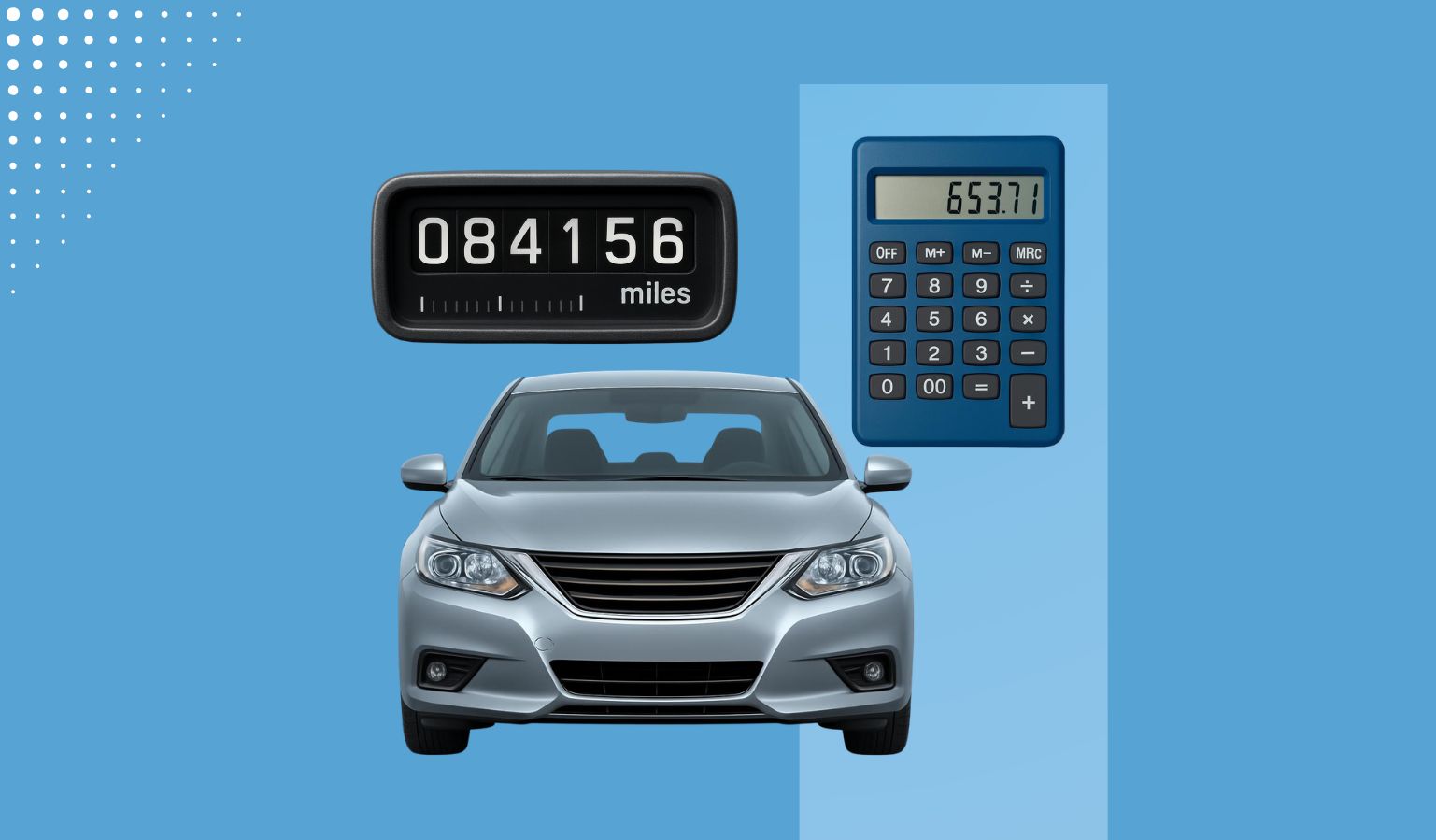
Fixed and Variable Rate (FAVR) Reimbursement Calculator
This FAVR reimbursement calculator provides an estimate for informational purposes only. A calculator result does not establish an IRS-compliant FAVR program or determine whether an employer, employee, or vehicle meets applicable FAVR program requirements.
The Bottom Line on FAVR Mileage Reimbursement
Mileage reimbursement isn’t just about paying employees for gas anymore.
If your employees drive for work, you need a reimbursement program that’s fair, accurate, compliant, and flexible enough to keep up with rising vehicle costs.
That’s where FAVR stands out.
It helps reduce tax waste, creates more accurate reimbursements, improves compliance, and gives employees a much better overall experience. It also gives your business more control over reimbursement costs without relying on outdated flat allowances that rarely reflect real-world driving expenses.
As vehicle costs continue to rise, more companies are realizing traditional reimbursement methods just aren’t cutting it anymore.
For a growing number of businesses, FAVR is becoming the smarter long-term solution.
And if you’re thinking about switching to a FAVR program, you don’t have to figure it all out on your own.
Cardata helps companies design and manage compliant, tax-free vehicle reimbursement programs that are fair, accurate, and easy to administer.
Ready to see if FAVR is the right fit for your company? Talk to Cardata and explore how a smarter mileage reimbursement program could help you reduce costs, improve fairness, and simplify reimbursement management.
Talk To Cardata