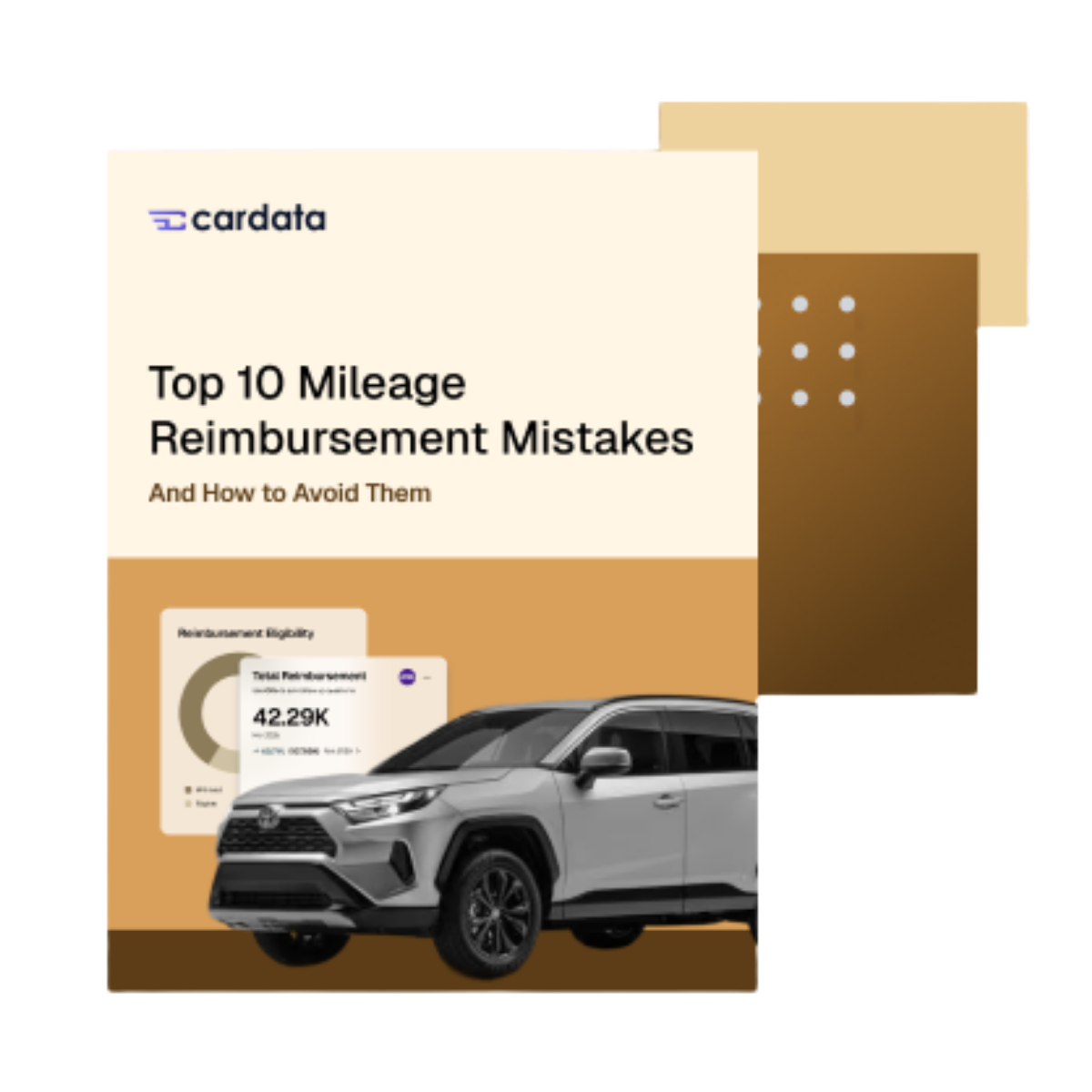
10 Mileage Reimbursement Mistakes and How to Avoid Them
Is your mileage reimbursement program working as well as you think it is?
Reimbursement mistakes can be easy to miss.
Outdated policies, the wrong reimbursement method, or overlooked compliance requirements can create unnecessary costs and administrative work while leaving employees with reimbursements that don’t reflect how they actually drive for work.
This guide breaks down common mileage reimbursement mistakes and gives you practical ways to evaluate your current approach.
.jpeg)
Get access now
Is Your Mileage Reimbursement Strategy Keeping Up?
Inside the guide, you'll learn:
- Why mileage reimbursement should be managed as more than a payroll expense
- How to tell when a familiar vehicle program may no longer fit your workforce
- Why paying every employee the same amount can create uneven reimbursement outcomes
- Which ownership and operating costs should be considered when evaluating business driving expenses
- How program structure can create unnecessary tax waste
- Why mileage records, insurance verification, and other compliance requirements matter
- How FAVR, Cents-Per-Mile (CPM), and Tax-Free Car Allowance (TFCA) programs fit different driving needs
- What to consider when reviewing your reimbursement strategy as your workforce and business change
Learn common reimbursement mistakes, and how to avoid them.
After you submit the form, you’ll:
Get the resource delivered immediately through your email
Get practical guidance you can reference anytime
Stay connected on mileage reimbursement best practices. Unsubsribe anytime.
Browse More Mileage Reimbursement Resources



Language