.avif)
If your employees drive for work, you’ve probably asked the same question most growing businesses eventually face: should you provide company cars, or reimburse employees for using their own vehicles?
At first glance, company cars can seem like the simpler solution. The business owns the vehicle, controls the program, and employees do not have to worry about vehicle expenses.
But once you start factoring in leasing costs, insurance, maintenance, fuel, depreciation, and administration, fleets become much more expensive and much harder to manage than many companies expect.
Vehicle reimbursement programs solve a different problem. Instead of owning vehicles, businesses reimburse employees for business driving in their personal cars. That reduces overhead and shifts many vehicle responsibilities away from the employer.
For organizations with sales teams, regional managers, or occasional business drivers, mileage reimbursement is often the more flexible and scalable option.
The challenge? Figuring out which model actually makes financial and operational sense for your business.
In this guide, we’ll compare company cars vs. reimbursement programs in detail, including costs, tax implications, employee experience, compliance considerations, and long-term scalability.
What Is the Difference Between a Company Car and Vehicle Reimbursement?
A company car program means the employer owns or leases vehicles and assigns them to employees for work-related driving. The company is responsible for the vehicle itself, along with insurance, repairs, maintenance, registration, and often fuel expenses.
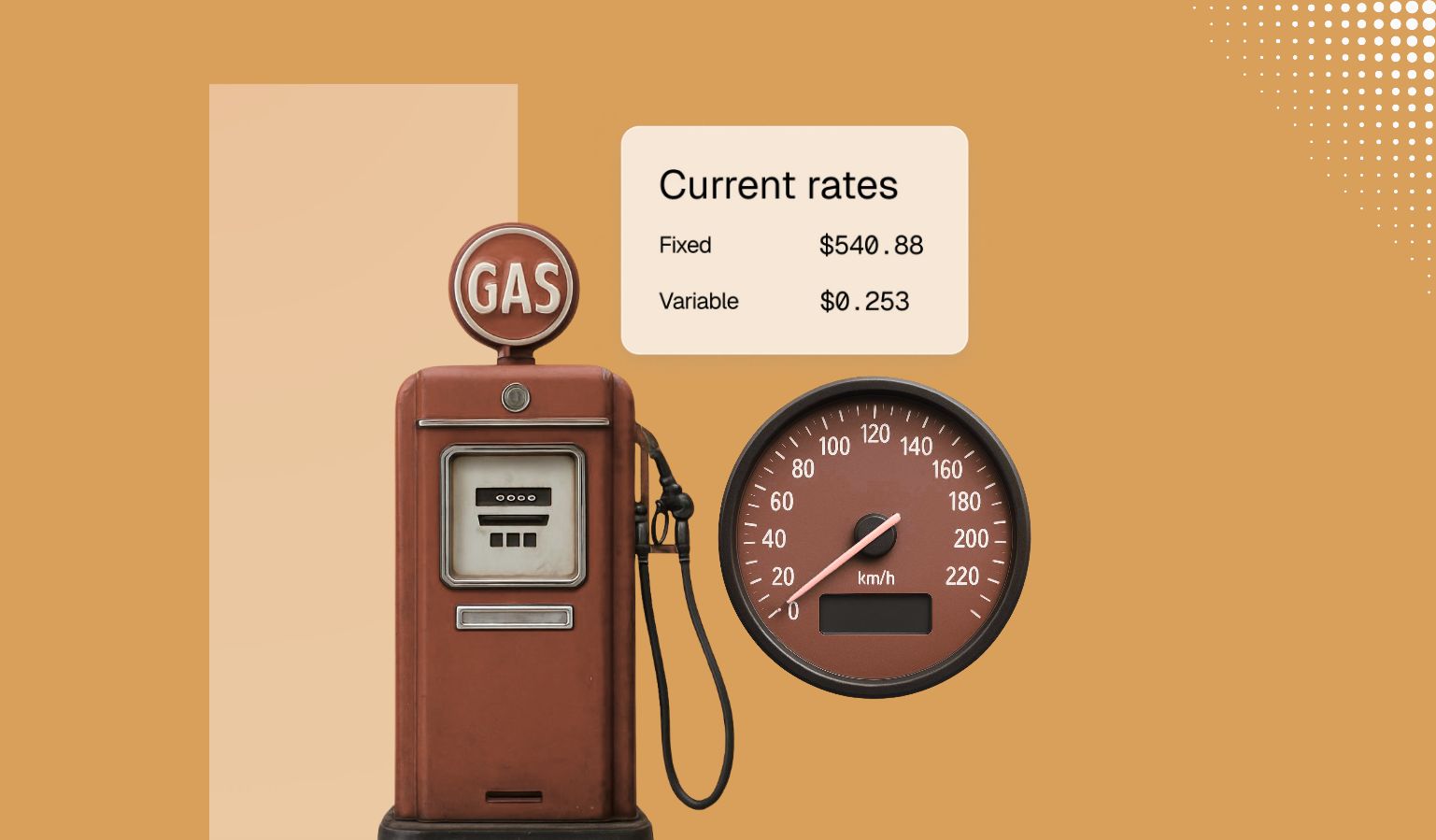
A reimbursement program works differently. Employees drive their own vehicles for business purposes and the company reimburses them for those costs through mileage reimbursement, a car allowance, or a structured model like Fixed and Variable Rate reimbursement.
The difference comes down to ownership and responsibility.
With a fleet program, the business controls the vehicles. With reimbursement, the employee owns the vehicle while the company compensates them for business use.
That distinction affects nearly everything else, including taxes, risk, administration, employee satisfaction, and total program cost.
| Factor | Company Cars | Vehicle Reimbursement |
|---|---|---|
| Vehicle ownership | Employer owns or leases the vehicle | Employee owns the vehicle |
| Upfront business cost | High | Low |
| Administrative workload | High | Moderate to low |
| Scalability | Harder to scale | Easier to scale |
| Employee flexibility | Limited to assigned vehicle | Employees choose their own vehicle |
| Maintenance responsibility | Employer-managed | Employee-managed |
| Tax treatment | Can create taxable benefit issues | Can be tax-free under IRS accountable plans |
| Best for | High-mileage or specialized driving roles | Sales teams, hybrid workers, moderate-mileage drivers |
| Branding opportunities | Strong | Limited |
| Cost predictability | Higher fixed costs | Variable based on mileage |
| Liability exposure | Higher employer responsibility | Reduced fleet liability |
| Common program types | Fleet vehicles, leased company cars | CPM, FAVR, TFCA |
Why Some Companies Still Choose Company Cars
Company cars can still make sense in certain industries and roles.
If employees drive constantly, transport equipment, visit job sites, or need branded vehicles, a fleet can provide consistency and operational control that reimbursement programs cannot always match.
For example, a field service technician might require a cargo van with tools and storage. A delivery business may need standardized, branded vehicles. In those situations, company-owned vehicles are often necessary.
Company fleets also allow businesses to standardize maintenance schedules and vehicle specifications. That level of control matters for organizations with strict operational requirements.
There’s also a recruiting and retention angle. Some employees view a company vehicle as a valuable benefit, especially when the employer covers fuel, maintenance, and insurance.
But the financial tradeoffs are significant.
The Hidden Costs of Company Cars
Most businesses underestimate how expensive fleet programs become over time.
The obvious costs are easy to spot: vehicle purchases or lease payments, insurance premiums, fuel expenses, and maintenance. But the indirect costs are usually what create problems.
Managing a fleet takes time and infrastructure. Someone has to oversee maintenance schedules, replacement cycles, accident reporting, fuel programs, driver eligibility, insurance compliance, and vehicle policies. As fleets grow, administrative complexity grows with them.
Depreciation is another major factor many companies fail to account for properly. Vehicles lose value quickly, especially when employees drive high annual mileage.
Underutilization can also become an issue. Some company vehicles spend large portions of the week parked while still generating fixed costs.
And these tradeoffs add up. According to Cardata’s Fleet Market Survey 2026, company-owned fleets are, on average, 30% more expensive than tax-free reimbursement alternatives.
That cost gap is one reason many organizations are reconsidering whether every employee truly needs a company-owned vehicle.
Why Mileage Reimbursement Programs Are Growing
Reimbursement programs have become increasingly popular because they reduce overhead while giving businesses more flexibility.
Instead of investing capital into vehicles, businesses reimburse employees for business driving as it happens. Employees use their own vehicles, maintain them personally, and typically carry their own insurance coverage.
For many organizations, especially those with sales teams or hybrid workforces, this is simply more practical.
Reimbursement programs also scale more easily. If your company hires additional mobile employees, you do not need to acquire more vehicles or expand fleet operations. The reimbursement system grows with the workforce.
Tax treatment is another major advantage.
Programs structured under IRS accountable plan rules can allow reimbursements to remain tax-free. That includes IRS-compliant mileage reimbursement programs like Fixed and Variable Rate (FAVR) reimbursement, Tax-Free Car Allowance (TFCA) programs, and Cents-Per-Mile (CPM) reimbursement programs.

Which Option Makes More Sense for Your Business?
Choosing the right vehicle program depends on how your employees actually drive.
If your workforce spends most of the day on the road, transports equipment, or requires branded vehicles, company cars may still be the better fit.
A fleet gives businesses more control over vehicles, maintenance standards, and operations, which can matter in highly mobile or specialized industries.
But for many organizations, especially those with sales teams, regional employees, hybrid workers, or moderate-mileage drivers, reimbursement programs are often the more practical choice.
They reduce overhead, eliminate many fleet management headaches, and give businesses a more flexible way to support employee driving.
That flexibility is one reason more companies are moving toward reimbursement models.
The key is choosing a reimbursement model that is fair, compliant, and aligned with real driving costs. Programs like FAVR, TFCA, and CPM reimbursement can help businesses reimburse employees accurately while reducing unnecessary tax waste and administrative burden.
That’s where Cardata can help.
Cardata helps businesses build and manage IRS-compliant vehicle reimbursement programs that are tailored to their workforce, budget, and operational needs.
From mileage tracking and reimbursement automation to compliance support and program design, we help organizations move away from outdated vehicle programs and toward more accurate, scalable solutions for modern business driving.
Talk to Cardata