.jpg)
When employees drive personal vehicles for work, employers can still face liability if an accident happens during business driving.
The employee’s auto insurance may provide coverage depending on the policy and type of use, but personal vehicle ownership does not eliminate the company’s exposure.
That makes insurance requirements, mileage records, driver policies, and ongoing compliance important parts of an employee vehicle reimbursement program.
For companies deciding between personal vehicles and company cars, understanding how liability and insurance differ between the two models is an important place to start.
Is a Company Liable When Employees Drive Personal Vehicles for Work?
A company can still face liability when an employee drives a personal vehicle for work.
Employee ownership of the vehicle does not automatically remove the employer's exposure. If an employee is involved in an accident while driving for work, a claim or lawsuit may also involve the business.
Businesses may also carry hired and non-owned auto (HNOA) coverage to help protect the company when employees use personal or other non-owned vehicles for business.
Employers should work with their insurance provider to determine what coverage is appropriate for their workforce and vehicle program.
The employee's personal auto policy may provide coverage for some types of business use, but coverage depends on the policy and how the vehicle is being used.
The Insurance Information Institute notes that some business use can be covered under personal policies, while other types of use may require different coverage.
For employers, the practical takeaway is straightforward: allowing personal vehicles for work changes the risk picture, but it does not eliminate company liability.
How Does Liability Differ With Company-Owned Vehicles?
When a company owns or leases vehicles, those vehicles become part of the organization's commercial auto program.
The business is responsible for managing insurance and determining how employees are allowed to use those vehicles.
It may also need processes for maintenance, registration, driver eligibility, accident reporting, and other fleet responsibilities.
Personal use creates another consideration.
If an employee uses a company-provided vehicle for both business and personal driving, the IRS requires employers to distinguish between the two for tax purposes.
Business use can generally be excluded as a working condition fringe benefit when applicable requirements are met, while the value of personal use generally must be included in the employee's wages.
Accurate records and clear vehicle-use policies therefore matter even when the company owns the car.
Does Using Employee-Owned Vehicles Reduce Company Liability?
Moving from company vehicles to employee-owned vehicles can change a company's insurance and liability exposure, but businesses should avoid treating it as a complete transfer of risk.
With an employee-owned vehicle, the employee maintains their own auto insurance rather than relying solely on a company-owned vehicle's commercial auto policy.
Depending on the employee's policy and type of driving, that personal policy may cover some business use.
The company should still consider its own protection. HNOA coverage, for example, is designed to help protect businesses when employees use personal, rented, or other non-owned vehicles for business.
This makes employee-owned vehicle programs less about "removing liability" and more about managing a different type of exposure.
Companies considering a move away from fleet vehicles should review their insurance needs with a qualified insurance professional and establish clear requirements for employees who drive personal vehicles for work.
What Insurance Do Employees Need When Driving Personal Vehicles for Work?
Employees should have auto insurance appropriate for the way they use their vehicles.
Personal auto policies can cover some business driving, but coverage varies. Certain types or levels of business use may require an endorsement, different policy terms, or commercial coverage.
Employers should establish insurance requirements appropriate for their workforce and risk profile. That may include minimum liability limits and requirements around the type of coverage drivers maintain.
The company also needs a way to verify that employees continue to meet those requirements.
An insurance policy that met company standards when an employee joined the program can expire, change, or lapse.
Ongoing insurance verification helps companies identify those changes and keep driver records current.
For a large field team, this can become a significant administrative task if policy documents and renewal dates are managed manually.
How Does Mileage Reimbursement Fit Into an Employee-Owned Vehicle Program?
Employees who use personal vehicles for work take on both ownership and operating costs.
Those costs can include insurance, depreciation, registration, fuel, maintenance, and tires. A structured mileage reimbursement program gives employers a way to reimburse employees for the business use of those vehicles.
Several reimbursement approaches are available.
A Cents-Per-Mile (CPM) program applies a set rate to each substantiated business mile. This can be a straightforward option for employees with lower or less predictable business mileage.
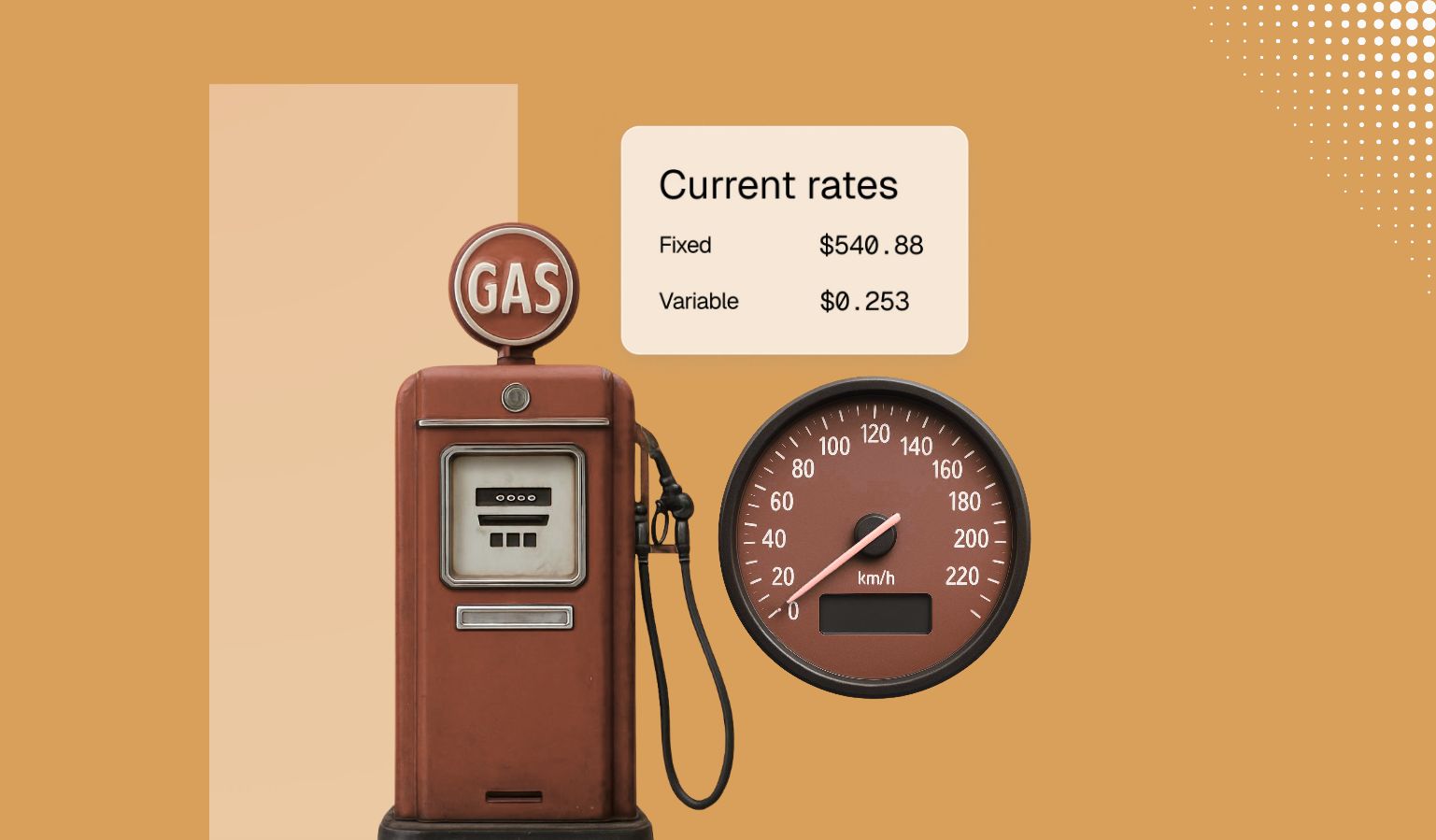
A Fixed and Variable Rate (FAVR) program reimburses the real, business-required costs associated with owning and operating a personal vehicle for work. It separates costs such as insurance and depreciation from variable expenses such as fuel, tires, and routine maintenance.
A Tax-Free Car Allowance (TFCA) can provide another approach for reimbursing the real, business-required costs of using a personal vehicle for work when properly structured and administered.
Some companies also use a mixed reimbursement program, assigning different reimbursement methods to different driver populations based on their needs.
The appropriate approach depends on factors such as mileage, geography, employee roles, vehicle requirements, and administrative needs.
Why Insurance Verification Matters in Mileage Reimbursement
Insurance is especially important in an employee-owned vehicle program because the company does not directly manage each driver's vehicle policy.
An employer may have dozens, hundreds, or thousands of employees driving their own vehicles. Each driver can have a different insurer, policy period, coverage limit, and renewal date.
A strong reimbursement program should therefore have a process for confirming that participating drivers meet company insurance requirements.
That process can include collecting proof of insurance, reviewing coverage information, monitoring expiration dates, and following up when documentation needs to be updated.
For FAVR programs, insurance also has a direct compliance connection.
IRS FAVR rules require participating employees to maintain insurance coverage limits at least equal to the limits used to calculate the program's fixed payment.
Insurance verification can help employers maintain that documentation while giving administrators clearer visibility into driver compliance.
Why Business Mileage Records Matter
Mileage records serve a different purpose from insurance, but they are another important part of managing employee-owned vehicles.
Under an IRS accountable plan, employees must adequately account for business expenses within a reasonable period for qualifying reimbursements to generally be excluded from wages. Business mileage records can help substantiate the business connection and amount of vehicle use.
Accurate mileage records can also help companies distinguish business driving from personal driving and commuting.
That distinction matters because commuting between an employee's home and regular workplace is generally considered personal travel for federal tax purposes.
Mileage tracking technology can make substantiation easier by helping employees capture business trips without relying entirely on manually reconstructed mileage logs.
Company-Owned Vehicles vs. Employee-Owned Vehicles
The right vehicle model depends on the job.
Neither approach is automatically right for every employee.
A technician who needs specialized equipment or a purpose-built vehicle may be a strong candidate for a company vehicle.
A salesperson who travels between customer locations may be able to use a personal vehicle and receive mileage reimbursement.
Some organizations use both approaches across different employee groups.
When Should a Company Consider Personal Vehicle Reimbursement?
A company may want to evaluate employee-owned vehicles when employees can reasonably perform their jobs using personal cars and the organization wants an alternative to providing fleet vehicles.
The decision should consider more than vehicle acquisition costs.
Companies should look at total fleet costs, employee mileage, job requirements, insurance, administration, employee experience, and the resources required to manage each approach.
Risk should be part of that analysis as well. Moving employees into personal vehicles changes how insurance and liability are structured.
Companies still need appropriate commercial insurance, clear driving policies, insurance requirements, and processes for monitoring compliance.
A well-managed personal vehicle reimbursement program can bring those pieces together while providing employees with reimbursement for the business use of their vehicles.
Managing Employee-Owned Vehicles With Cardata
Personal vehicle reimbursement works best when mileage, insurance, reimbursement, and compliance are managed together.
Cardata helps organizations manage vehicle reimbursement programs with mileage capture, payments, insurance verification, compliance support, reporting, and ongoing program management.
See how Cardata can help you build a fair, compliant mileage reimbursement program for your drivers.
Talk to Cardata