Team Cardata
4 mins
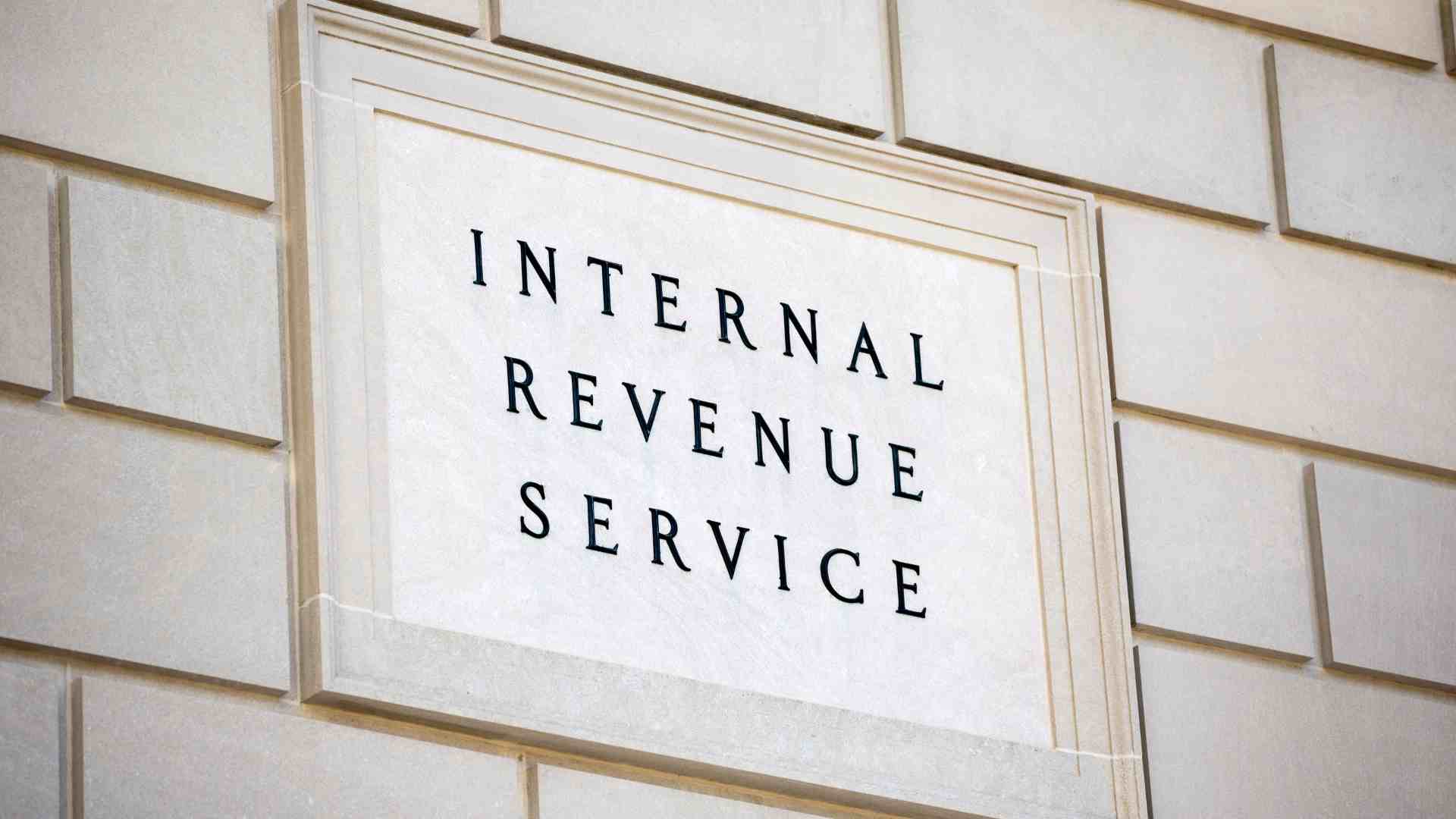
Rethinking the IRS 70-Cent Mileage Rate: Data-Driven Reimbursements for 2025
IRS raised the mileage rate to 70¢ in 2025, but it often falls short. Data-driven reimbursement models save money and keep drivers paid fairly.

Speak to an Expert
Book a CallDid you know the IRS raised the mileage reimbursement rate to a record 70 cents per mile in 2025? On the surface, that sounds generous. But the reality is more complicated.
In this blog, we’re breaking down what that number is supposed to cover, why it often falls short, and how companies can move to smarter, data-driven payment models that save money and keep drivers fairly paid.
What the IRS Rate Covers, and What It Misses
The IRS sets its standard mileage rate to cover all the usual costs of using a personal car for work. That includes fuel, maintenance, depreciation, insurance, tires, fluids, license fees, and registration.
But real-world costs vary a lot. For example, if someone uses their car for business, they often need higher insurance coverage, and those commercial-style policies can cost twice as much as personal ones.
Some companies are also adding EV incentives into their reimbursement plans, offering drivers extra perks for switching to electric. So while the 70 cent rate is meant to cover everything, it doesn’t always add up.
The Problem with Flat Cents-Per-Mile Plans
Most companies use a flat Cents per Mile (CPM) plan, where every work mile is reimbursed at the same rate. It’s simple, which is great—until gas prices spike or driving patterns shift.
High-mileage drivers might end up getting more than their actual expenses, which turns into taxable income. Meanwhile, low-mileage drivers might get shortchanged, having to cover some costs out of pocket.
That’s not only bad for morale, it can also put employers at legal risk in states like California, Illinois, and Massachusetts.
We saw this clearly between 2021 and 2022 when fuel prices jumped over 60 percent in 18 months. Suddenly, companies that had been using the same CPM rate for years were under-reimbursing their teams, leading to frustration and higher turnover.
How FAVR Keeps Reimbursements Fair and Tax-Free
A Fixed and Variable Rate (FAVR) plan offers a more precise way to reimburse. It splits costs into two parts: a fixed amount for things like depreciation, insurance, and licensing, and a variable rate for things like gas and maintenance.
The fixed part shows up as a regular monthly allowance. The variable part changes based on real, local data and gets paid per mile.
When FAVR is set up correctly, the full payment stays tax-free, even if it’s higher than the IRS standard rate. That’s because the IRS recognizes FAVR as a fairer way to match reimbursements with actual expenses.
It’s also why many companies using FAVR end up saving as much as 30 percent compared to flat rates or taxable car allowances.
Does 70 Cents Really Cover Gas?
Sometimes, but not always. The IRS sets its rate once a year based on national averages.
It only updates mid-year in rare cases, like in 2005, 2008, and 2011, when gas prices shot up unexpectedly. So if your company waits for the IRS to react, your drivers could be overpaid or underpaid for months.
Some companies try to save on fuel by adjusting routes or limiting idle time, but those strategies usually only save around 2 percent per year. This is not enough to protect you from price swings.
How to Keep Reimbursements Accurate
If you want to stay in step with fuel costs, a monthly-updated FAVR plan is your best bet. These programs pull in local gas prices and adjust payments accordingly.
For teams with a mix of high- and low-mileage drivers, a mixed model often works best. Heavy drivers use FAVR, while light drivers stick with CPM for simplicity.
No matter which model you use, accurate mileage tracking is key. Tools like Cardata Mobile save each driver about 42 hours a year by automating trip logging and syncing data to the intelligence platform in real time.
That means reimbursements stay within the IRS’s 30-day rule and drivers stay happy.
From Average Rates to Accurate Results
The 70 cent rate is a good benchmark, but it’s still an average. And averages don’t work for everyone.
Regional gas prices and different driving habits can create big gaps in fairness. By reviewing your current setup, switching high-mileage drivers to FAVR, and using automated tracking, you can save money, improve accuracy, and make sure everyone gets paid fairly.
Ready to stop guessing and start saving?
Discover how Cardata helps businesses modernize their mileage reimbursement, stay compliant, and support their mobile teams. Let’s talk about how we can help.
Share on: