.avif)
If your company is switching to a mileage reimbursement program (or considering one) you may be wondering what this change means for you as an employee who drives. The short answer: there are real, practical benefits.
A mileage reimbursement program is a way for employers to pay employees back for using their personal vehicles for work. Instead of absorbing fuel, maintenance, insurance, and depreciation costs themselves, employees are reimbursed for the business use of their cars.
These programs are designed to be fair, accurate, and IRS-compliant, ensuring employees aren’t paying out of pocket to do their jobs while employers stay in compliance with tax rules.
This guide explains how drivers benefit from mileage reimbursement. While there are different types of vehicle programs, the driver advantages outlined below apply broadly across the most popular reimbursement solutions.
What is a Mileage Reimbursement Program?
There are several common types of mileage reimbursement programs. Each is IRS-compliant when it’s structured correctly and follows the IRS rules for mileage reimbursement.
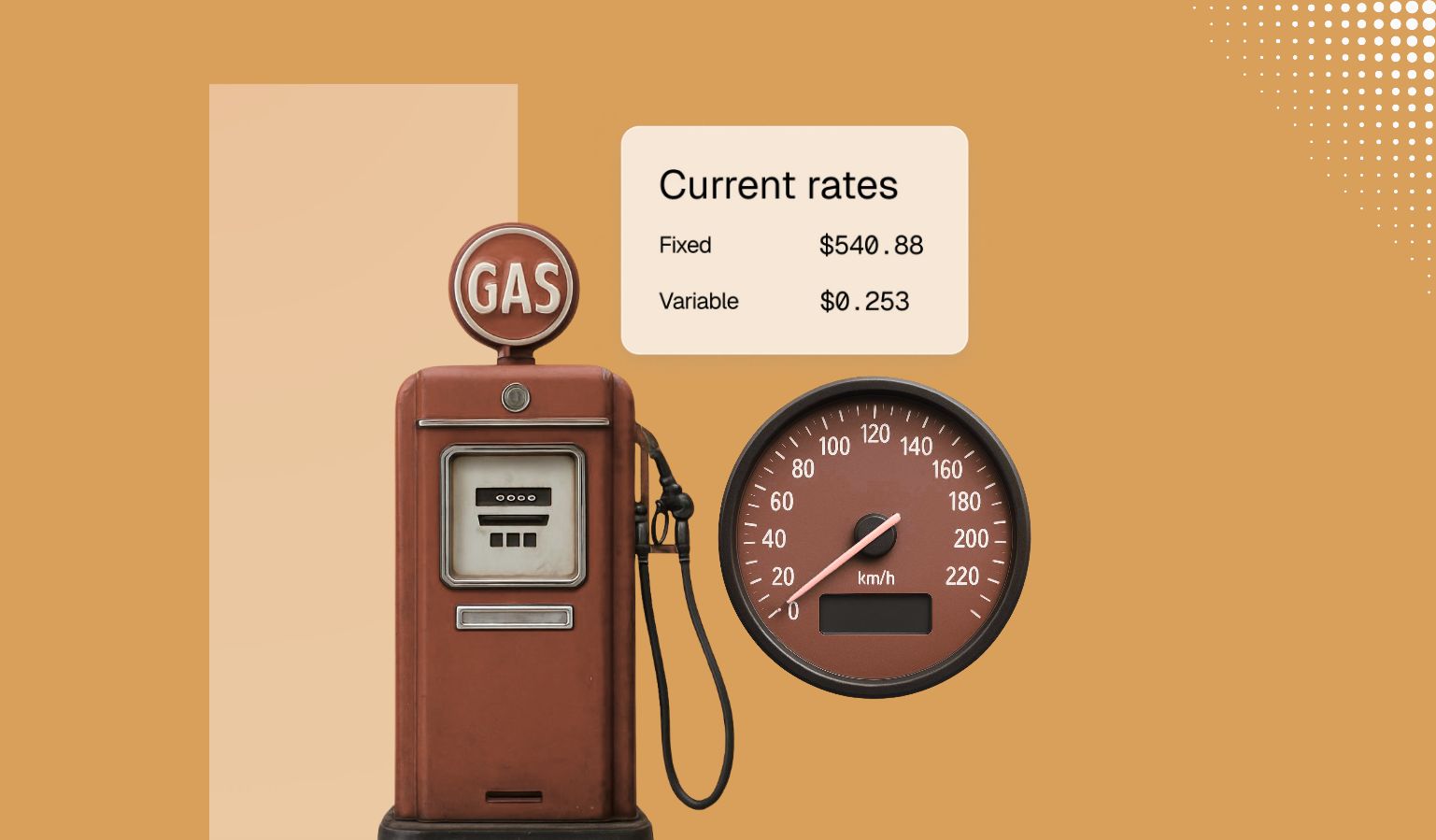
- FAVR (Fixed and Variable Rate) programs reimburse both fixed costs, like insurance and depreciation, and variable costs, like fuel and maintenance.
- CPM (Cents Per Mile) programs pay a set rate for each business mile driven.
- TFCA (Tax-Free Car Allowance) programs provide a monthly allowance that, when properly documented, can be reimbursed tax-free instead of treated as taxable income.
What Counts as Driving For Work?
Driving for work generally includes any mileage driven for business purposes, such as traveling between client or customer locations, driving to job sites or sales appointments, or making deliveries or service calls.
It does not include normal commuting between home and a primary office location.
4 Ways Drivers Benefit From Mileage Reimbursements
Employees who drive for work typically see benefits in three major areas when they are part of a mileage reimbursement program:
- Reduced administrative burden
- Tax savings
- The ability to build vehicle equity
- More choice and flexibility in vehicle lifestyle and aesthetics
Let’s break each one down.
1. Reduced administrative burden
Tracking mileage can be a real time drain. Many drivers are expected to plan routes in Google Maps, copy long direction links, and paste them into spreadsheets just to document business trips.
Over time, those spreadsheets become cluttered, hard to manage, and surprisingly costly in terms of time. And the work doesn’t stop once the miles are logged.
At the end of each month, drivers typically submit their files to a manager, who then compiles entries from the entire team and forwards everything to HR for reimbursement. It’s a process that’s slow, error-prone, and can lead to delays or missing trips.
Manual mileage tracking also depends heavily on memory. If a trip isn’t logged right away, drivers are left trying to piece together where they went days (or even weeks) later. That guesswork can result in underreported mileage and lost reimbursements.
Automatic mileage tracking tools remove all of this friction. Drivers simply start the app, drive, and let the software capture business mileage in the background.
On average, switching to automated tracking saves about 42 hours per year (roughly a full workweek) just by eliminating manual entries, odometer checks, and monthly spreadsheet submissions.
2. Tax savings through tax-free reimbursements
One of the most important benefits of a mileage reimbursement program is how it’s treated for tax purposes.
When a mileage reimbursement program is structured to meet IRS accountable plan rules, reimbursements are considered a business expense, not income. That means the money you receive for driving your personal vehicle for work is not subject to federal and state income taxes.
This is very different from taxable alternatives like flat car allowances or stipends. Those payments are treated as wages, appear on your W-2, and are taxed just like your regular paycheck. As a result, drivers often lose a significant portion of those payments to taxes before they ever cover vehicle costs.
With a tax-free mileage reimbursement:
- You keep 100% of the reimbursement instead of losing a portion to taxes
- Your take-home pay is higher for the same amount of driving
- Reimbursements are directly tied to actual business mileage, rather than a fixed amount that may not reflect real costs
For drivers, this means more of the money intended to cover vehicle expenses actually goes toward operating the vehicle. Over the course of a year, the difference between taxable and tax-free reimbursement can add up to thousands of dollars in additional take-home value, without increasing reported income.
In short, tax-free mileage reimbursement ensures you’re being reimbursed for work expenses, not taxed as if you received a bonus.
3. Build vehicle equity
One of the most overlooked benefits of mileage reimbursement is the ability to build real, long-term value in a vehicle you own.
With a reimbursement program, your employer isn’t just covering gas or wear and tear. They’re helping offset the true cost of owning and operating a car for work.
Over time, those reimbursements go toward expenses related to car payments, depreciation, insurance, and maintenance, which means you’re investing in an asset rather than driving a company-owned vehicle you eventually have to hand back.
Many mileage reimbursement programs are designed around multi-year vehicle lifecycles, often around five years. During that time, a significant portion of your vehicle’s operating costs are reimbursed based on how much you drive for work.
4. Aesthetics and lifestyle
Company fleets usually mean identical vehicles, chosen for simplicity rather than personal preference. Mileage reimbursement programs work differently.
Instead of being assigned a standard-issue car, drivers have the flexibility to choose a vehicle that fits their needs, lifestyle, and taste, while still being reimbursed fairly for business use.
Here’s how it works.
Your employer establishes a standard vehicle profile, which is used to calculate reimbursement amounts. That standard vehicle profile will usually outline a maximum price for the vehicle, but it won’t tell you what exact vehicle you can use.
You’re permitted to use (or buy) any vehicle you want, as long as it falls within the standard vehicle profile.
Mileage Reimbursement: A Better Way to Support Drivers
Mileage reimbursement programs are designed to make driving for work simpler, fairer, and more sustainable for both employers, and you, the driver. Instead of tracking miles manually, absorbing vehicle costs, or driving a one-size-fits-all company car, drivers are reimbursed in a way that reflects how they actually work.
With less administrative hassle, the opportunity to build equity in a vehicle you own, and the flexibility to choose a car that fits your lifestyle, mileage reimbursement turns work-related driving into a practical advantage.
If your employer is considering a mileage reimbursement program, it’s worth understanding how it works and how it impacts you as a driver. Knowing what qualifies as business mileage, how reimbursements are calculated, and what choices you have can help you get the most out of the program.
Want to learn more? Read our guide covering how mileage reimbursement is calculated, and talk with your employer about how their mileage reimbursement program is structured and what it means for you.