Team Cardata
4 mins
California Mileage Reimbursement in 2024: Leveraging FAVR for Compliance and Savings
California requires employers to reimburse all business miles. Companies must follow IRS rules, CA Labor Code 2802, and manage high costs.

Speak to an Expert
Book a CallDid you know that California is one of only three U.S. states that compel employers to reimburse workers for every single business mile they drive?
In 2025, staying on the right side of that rule requires companies to juggle IRS tax guidance, California Labor Code § 2802, and some of the most volatile insurance costs in the country.
The Legal and Tax Baselines
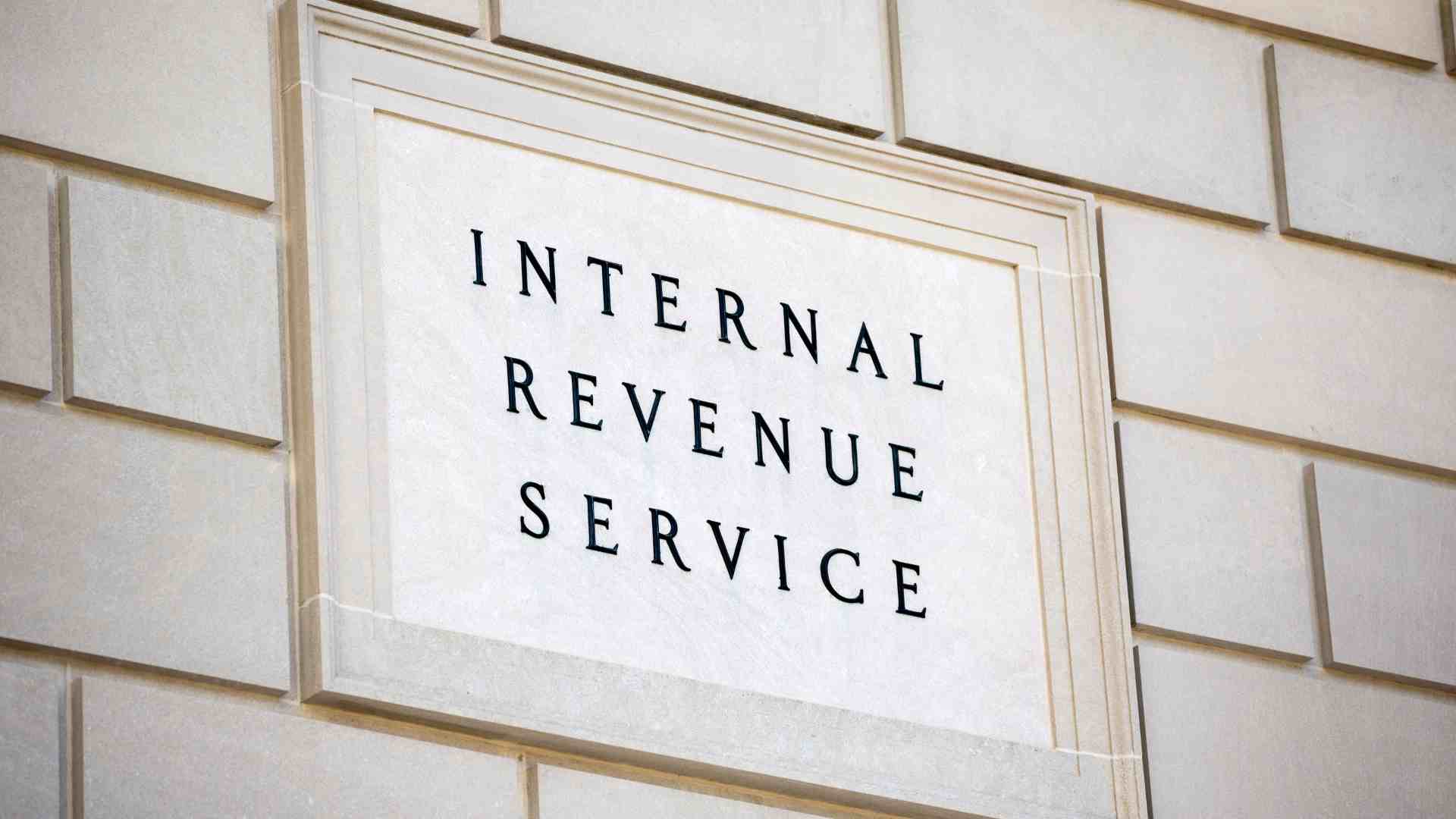
The Internal Revenue Service has set the 2025 “safe-harbor” mileage rate at 70 cents per mile, an amount designed to approximate nationwide averages for fuel, depreciation, maintenance, and insurance expenses.
When reimbursements are paid at or below this figure under an accountable plan, they are not taxable to either the company or the employee; any payment above 70 cents becomes taxable on the excess portion.
California’s Labor Code § 2802 goes much further: it obliges employers to indemnify workers for “all necessary expenditures” incurred in the course of their duties, vehicle costs included, and it gives employees the right to sue for under-reimbursement, collect interest, and recover attorney fees.
Because actual driving costs in California often exceed the national average, relying on the IRS rate as a blanket solution can leave companies exposed to costly wage-and-hour litigation.
Why the IRS Rate Often Falls Short
Gasoline, insurance premiums, and maintenance bills rank among the nation’s highest in Los Angeles, San Francisco, and San Diego, meaning that a flat 70 cent payout can underpay drivers and violate § 2802.
A Fixed and Variable Rate (FAVR) program solves this by splitting reimbursements into two geographically-calculated components. A fixed monthly allowance covers predictable expenses such as depreciation, registration, and base insurance costs, while a variable, per-mile rate fluctuates with real-time fuel and maintenance costs in an employee’s specific area.
Because FAVR calibrates payments to the driver’s ZIP code, vehicle age, and actual mileage, the reimbursement can legally exceed the 70 cent equivalent cost per mile where justified, yet remain entirely tax-free.
Quantifying the Business Case
Companies that have replaced a simple Cents per Mile (CPM) model with FAVR for applicable high-mileage drivers, reporting over 5,000 business miles per year, report around a 25% reduction in total program spend, thanks to tighter alignment between payouts and true costs.
Beyond pure dollars, California employers that automate mileage capture reclaim about 42 administrative hours per driver each year and generate audit-ready logs that satisfy both IRS and § 2802 record-keeping demands.
Implementation Essentials
To preserve the tax-free status of reimbursements, companies must operate under an accountable plan that requires drivers to record the date, destination, business purpose, and mileage associated with each trip.
Mobile mileage tracking apps that automatically detect and classify trips not only enforce this rule but also help companies spot under- and over-payments in real time. Over-payments must be repaid or treated as taxable income, whereas under-payments can trigger wage-and-hour claims, penalties, and attorney fees in California’s highly litigious environment.
Because West Coast fuel prices can swing 30 to 40 percent year over year, best practice is to review local cost studies at least twice annually and adjust both fixed and variable rates accordingly.
Future-Proof Your Mileage Reimbursement Strategy in California
Start by auditing current mileage payments against both the 70 cent IRS benchmark and California-specific cost data. Identify high-mileage employees, those who drive more than about 5,000 business miles a year, as prime candidates for FAVR.
Draft a clear mileage policy that references IRS rules and Labor Code § 2802, then deploy technology that captures trips automatically and stores the data for at least seven years. Finally, revisit your cost assumptions every six months; California’s market realities change quickly, and so should your reimbursement model.
If you are ready to modernize your mileage program, connect with Cardata to see how a fully managed FAVR or cents per mile solution can simultaneously slash costs and safeguard California compliance.
Share on: